
Smart industrial inventory systems: the complete guide
A complete guide to the hardware, software, and integrations that power modern supply automation across manufacturing, logistics, retail, and workplace environments.

Every organisation runs on physical items. Tools, PPE, spare parts, food, medical supplies, packaging, electronics: the things people reach for a hundred times a day to keep operations moving. Yet while digital workflows have been automated end to end, most physical supply is still managed the way it was decades ago: cupboards, clipboards, periodic counts, and hope. Smart industrial inventory systems close that gap. This guide explains what they are, how they work, and how to evaluate them, across manufacturing, logistics, retail, and workplace environments.
What do we mean by physical supply?
Physical supply includes all the physical items an organisation relies on to keep operations moving: tools and PPE, food and beverages, spare parts, medical supplies, electronics, and industrial consumables. Automating these supply flows creates visibility, accountability, and operational efficiency across the entire organisation. The point is broader than inventory. Inventory is a number in a system. Physical supply is the live flow of items between storage and people, and that flow is exactly where visibility usually breaks down.
The problem with manual supply management
Manual management fails quietly. Stock is inaccurate: a count is correct only at the moment it is taken, and every withdrawal afterwards makes it wrong. There is no accountability: when storage is open and unlogged, items disappear without anyone doing anything wrong, because there is simply no record. Replenishment is reactive: orders follow schedules and guesses rather than consumption, producing both stockouts and overstock at once.
Downtime hides in the gaps: the real cost of a missing tool is not the tool, it is the halted job, the emergency purchase, the technician searching shelves. And data is fragmented: purchasing, storage, and usage live in different systems, or in no system, so nobody can see the whole flow.
A live count, and a name: the two things manual systems never have.
What a smart inventory system actually is
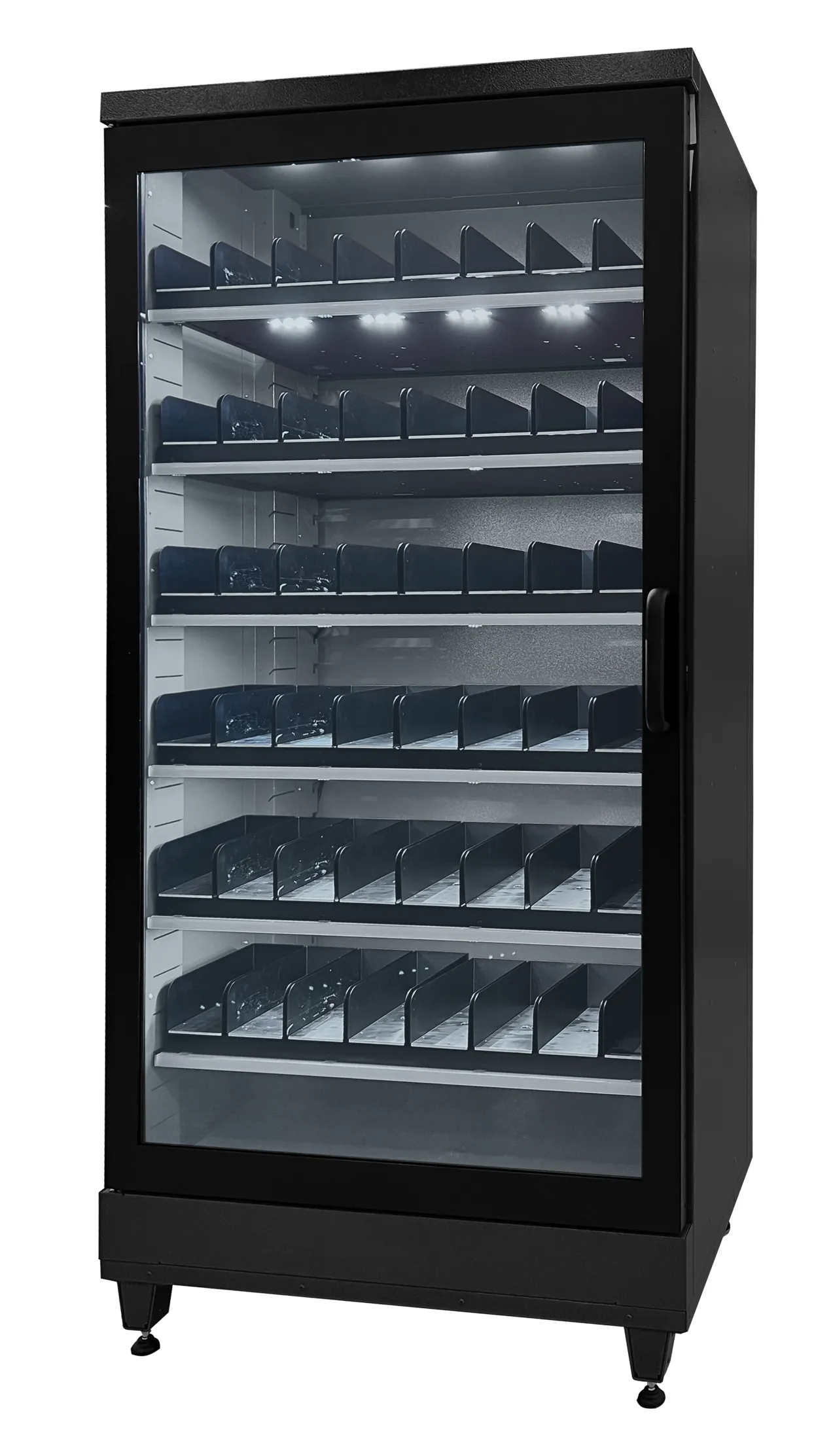
A smart industrial inventory system combines three layers into one connected platform. The first layer is smart hardware at the point of use: the storage itself becomes a sensor, chosen per supply flow. Smart Cabinets secure tools and calibrated equipment. Smart Coolers handle fresh food and beverages, Smart Freezers frozen products. Open Shelf covers fast-moving industrial consumables, Pallet Scale bulk materials, Key Management keys and controlled assets, and Automated Store formats run autonomous retail.
The second layer is sensing and identification: Weight Cell Technology detects every removal and return in real time, with no scanning and no process change for the user, while access control ties each transaction to a person. Together they produce the two things manual systems never have: a live count, and a name. The third layer is the management platform: every device connects to Instant Cockpit for product management, user rights, pricing, monitoring, reporting, and diagnostics; ISSA, the Instant Systems Smart Agent, assists with analytics, guidance, and troubleshooting; and integrations connect live stock data to ERP, WMS, and procurement systems.
How a transaction works
The flow is deliberately boring, which is the point. A person authenticates with a badge, code, or app, or simply opens a self-service unit, and takes what they need; weight cells and sensors detect exactly what left. The transaction is logged with item, quantity, person, time, and location, and stock levels update in real time, everywhere. When a minimum level is reached, replenishment triggers automatically, and analytics accumulate: what is used, where, by whom, how fast. No forms, no scanning discipline to enforce. Accountability and accuracy become by-products of normal use.
What changes, by environment
In manufacturing, tools and consumables are tracked at the line; tool loss and search time collapse, and audits become continuous instead of disruptive. In logistics, operational supplies like PPE and packaging are visible in real time across the warehouse, so stockouts stop halting shifts. In retail, unattended formats trade 24/7 with live stock, and shrinkage becomes measurable and manageable per unit. In the workplace, consumables and refreshments run on consumption-based replenishment, and spend becomes visible per item and office. And in healthcare, controlled access to medical supplies comes with full traceability.
Guide: Planning your rollout
A practical path from first pilot to multi-site deployment, step by step.
What organisations typically achieve
Results vary by operation, but organisations typically realise higher inventory accuracy, fewer stockouts, lower replenishment costs, reduced shrinkage, better user accountability, higher operational efficiency, and scalable management across locations. Instant Systems' platform today runs on more than 5,900 points of sale, processing over 2 million transactions per month for more than 700,000 users.
How to evaluate a system
Six questions separate platforms from products. Is inventory tracked in real time, automatically, or does it depend on people scanning? Is every transaction attributable to a person? Is everything managed from one platform, across sites, remotely?
Does it integrate with your ERP, WMS, and procurement flows? Does it improve after installation, through software updates, analytics, and AI assistance? And does it scale from one pilot unit to hundreds of locations without new infrastructure? If the answer to these is yes, you are looking at physical supply automation, not just smarter storage.
Where to start
Start with the supply flow that hurts most: the tool crib with the highest losses, the supplies that cause stoppages, the sites with the worst shrinkage. Pilot, measure, and scale what works. Our guide Planning your rollout walks the path step by step.
Key takeaways
Related articles
 Tool control
Smart cabinets vs traditional storage in manufacturing
How automated access control and real-time tracking reduce tool loss and improve shop-floor efficiency.
Read more →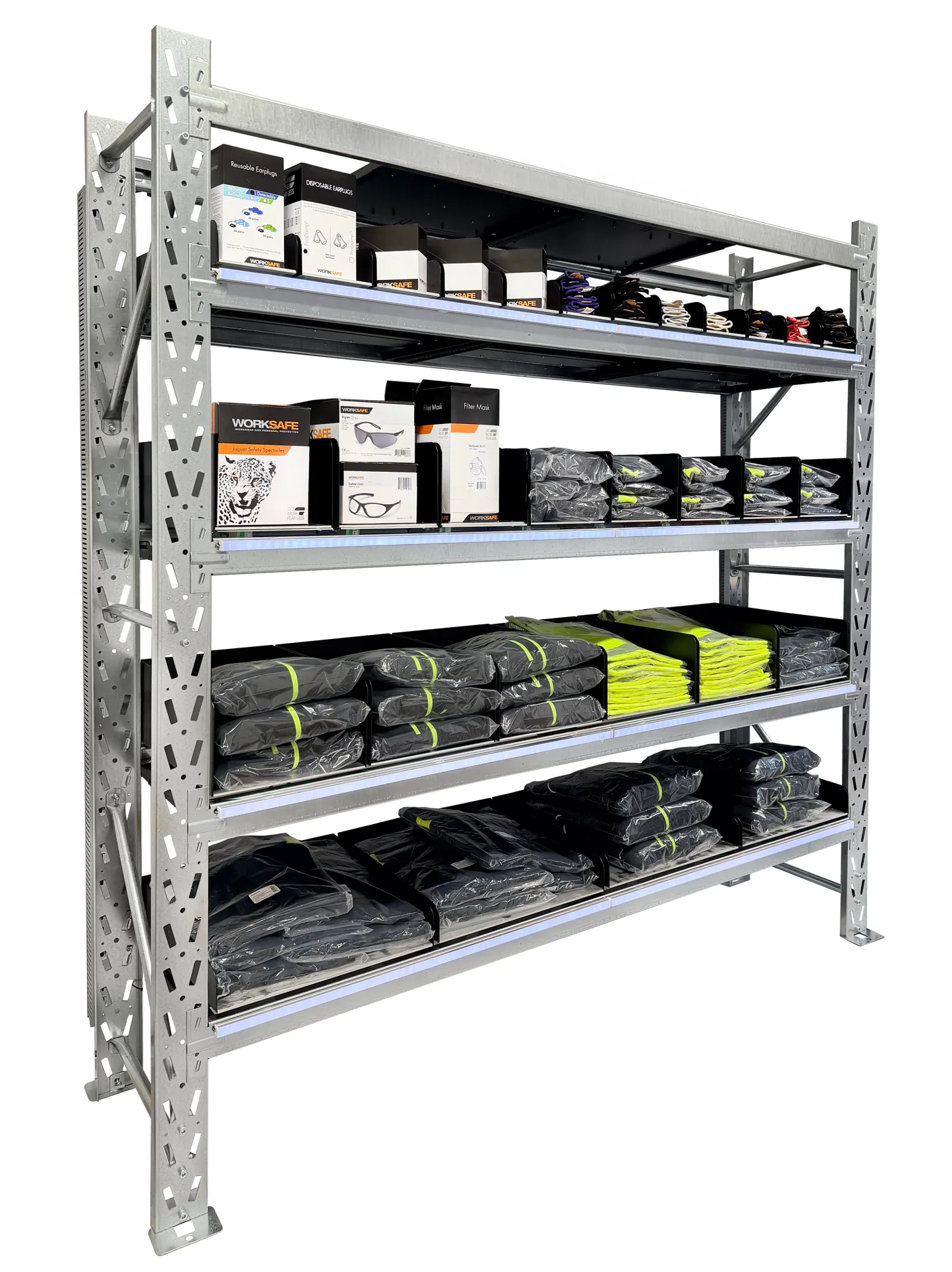 Logistics
The future of automated supply systems in logistics
Emerging trends in warehouse automation, real-time visibility, and autonomous inventory across distribution networks.
Read more →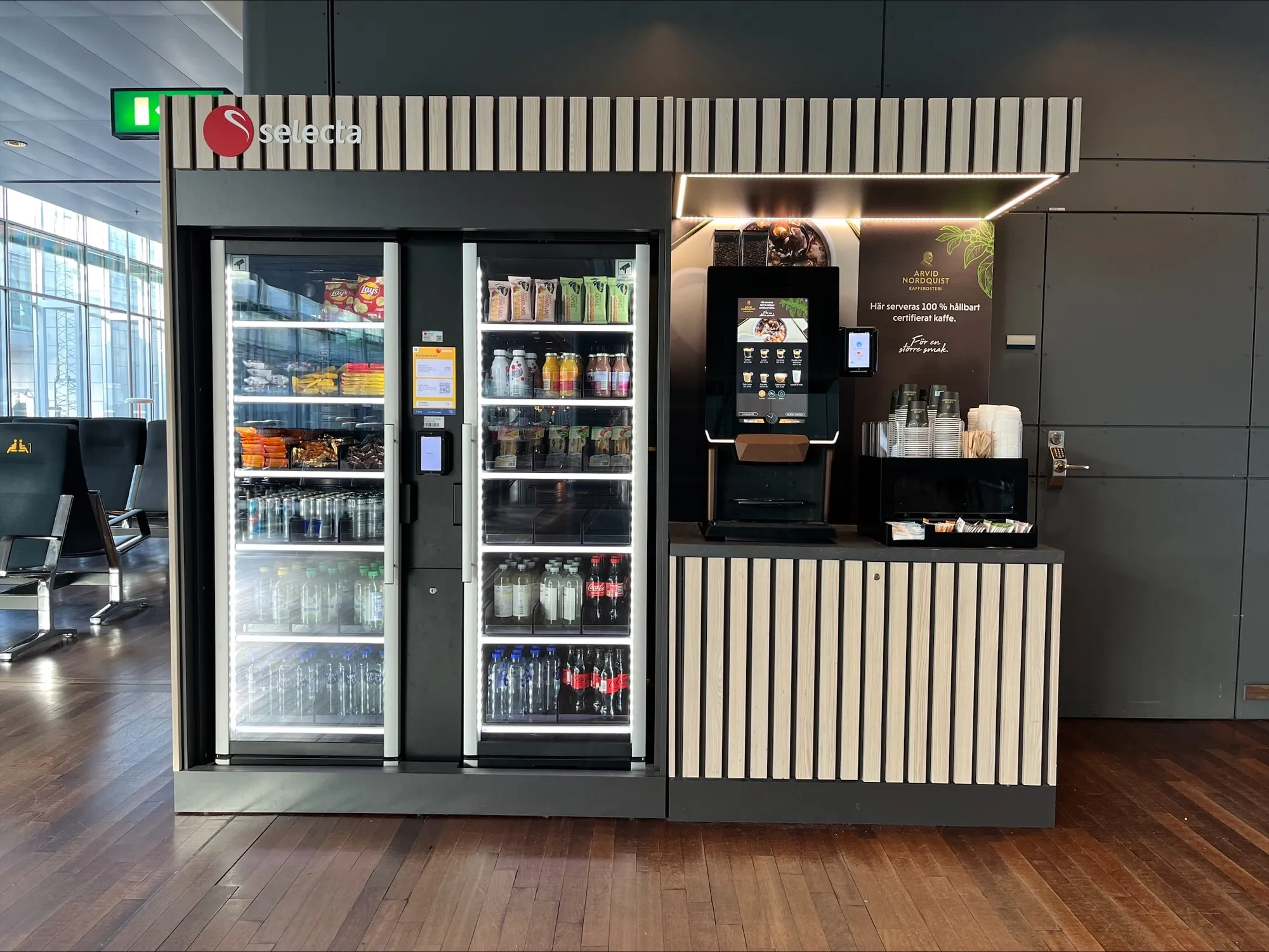 Supply automation
The ROI of smart inventory systems in retail operations
The financial impact of reducing shrink, improving stock accuracy, and automating replenishment across locations.
Read more →Stay informed
Get the latest on inventory automation, supply chain strategy, and workplace efficiency.
Ready to automate your physical supply?
Let’s discuss your operational challenges.