
The ROI of smart inventory systems in retail operations
The financial impact of reducing shrink, improving stock accuracy, and automating replenishment across locations.
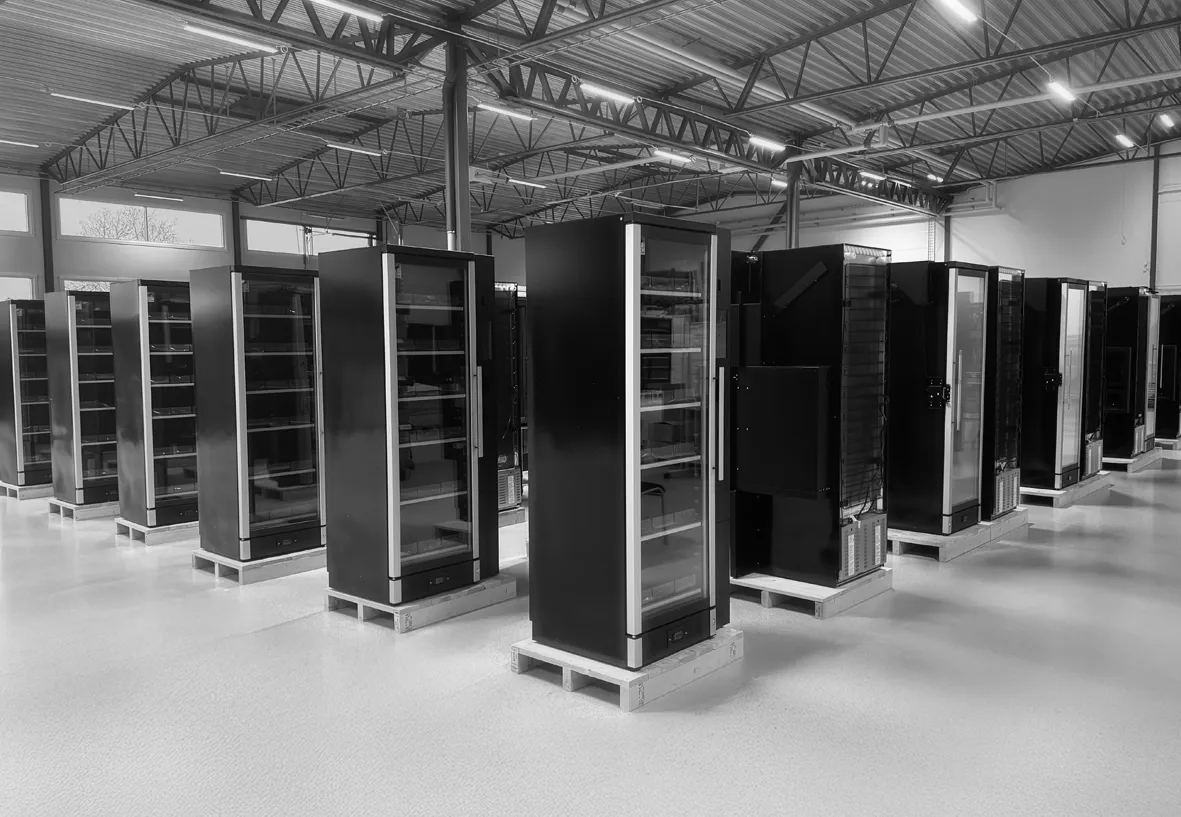
Retail runs on thin margins and thick uncertainty. Shrinkage is estimated, availability is sampled, and labour is spent counting what the till already sold. Smart inventory systems attack all three at once; this article walks through where the return actually comes from, so you can model it for your own operation.
The four return streams
Shrinkage reduction comes first. When every unit's removal is detected and every access point is controlled, shrinkage becomes measurable per site, per unit, per day, and measurable problems get solved. Operators deploying connected coolers and cabinets typically see shrinkage fall significantly within the first quarters. Availability follows: every stockout is a sale handed to a competitor or simply lost. Real-time stock visibility plus automated replenishment triggers keeps product on shelf; in typical deployments, stockouts fall sharply. For high-traffic unattended formats, the same platform extends trading to hours a staffed store cannot cover: revenue from time, not just space.
Labour redeployment is the third stream: counting, checking, and reconciling are the classic hidden costs. When the shelf reports itself, that labour shifts to customers and merchandising; in typical deployments, labour spent on counting and replenishment falls substantially. And working capital is the quiet fourth: live consumption data lets you cut safety stock with confidence instead of hope. Inventory sitting just in case across a store network is capital earning nothing; automation shrinks it while improving availability, the combination manual operations cannot achieve.
A simple model
For a network of N locations, estimate annually: shrinkage (current shrinkage rate times revenue times the expected reduction, using conservative assumptions), recovered sales (stockout rate times affected revenue times recovery share), labour (hours on counts and replenishment planning times loaded rate times reduction), and working capital (safety-stock reduction times carrying cost).
Set the total against hardware per location, platform subscription, integration, and installation. In deployments across our 5,900+ points of sale, the shrinkage and labour lines alone typically carry the case; availability gains compound it.
Revenue from time, not just space.
Why the platform matters to the number
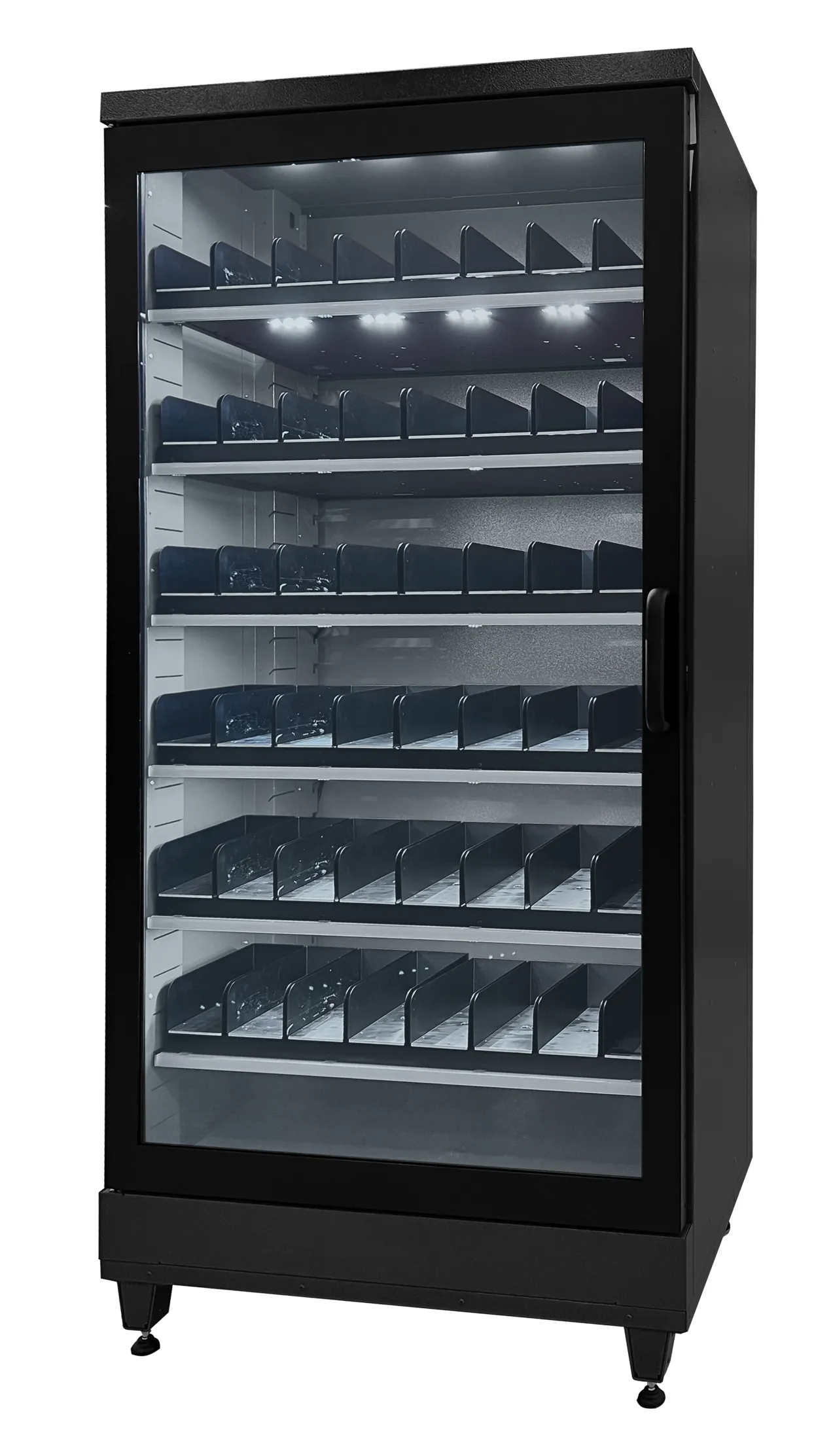
Single-purpose devices produce single-purpose returns. The economics improve when one platform runs everything: Smart Coolers and Automated Store formats at the front, Smart Cabinets and Open Shelf in the back room, all managed remotely through Instant Cockpit with ISSA assisting operations. One integration, one operating model, every additional location cheaper to add than the last: that is where multi-site ROI comes from.
Beyond the spreadsheet
Two returns resist modelling but decide loyalty: customers who find the product in stock, and staff who stop spending shifts counting. Both compound. The spreadsheet gets you to yes; these keep the yes true.
Whitepaper: The ROI of real-time inventory visibility
The full business case, with a worked example to adapt to your own network.
Key takeaways
Related articles
 Customer proof
How a distributed operator transformed supply operations with automation
An application story about reducing manual inventory work and improving product availability across a distributed network.
Read more →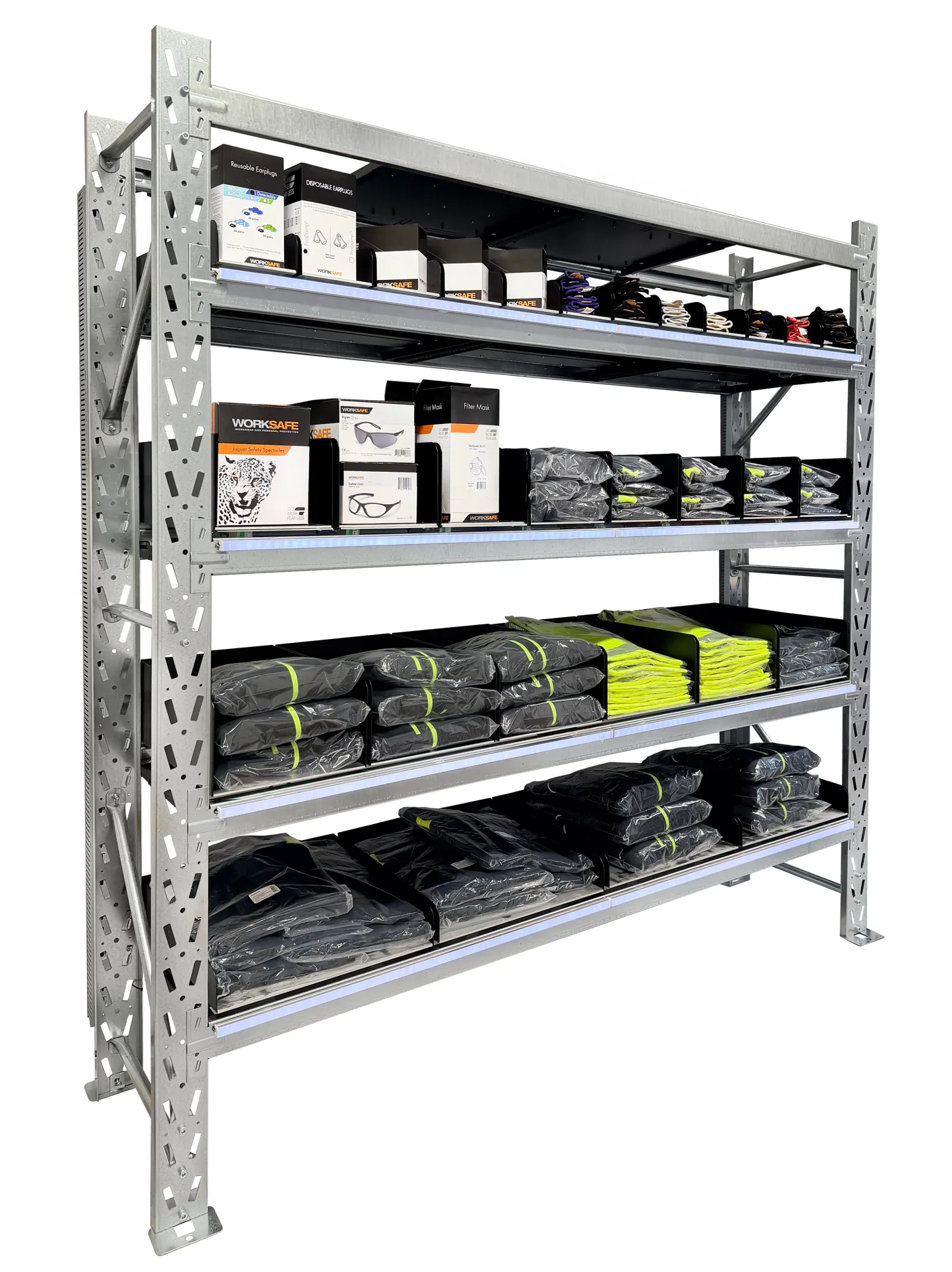 Logistics
The future of automated supply systems in logistics
Emerging trends in warehouse automation, real-time visibility, and autonomous inventory across distribution networks.
Read more →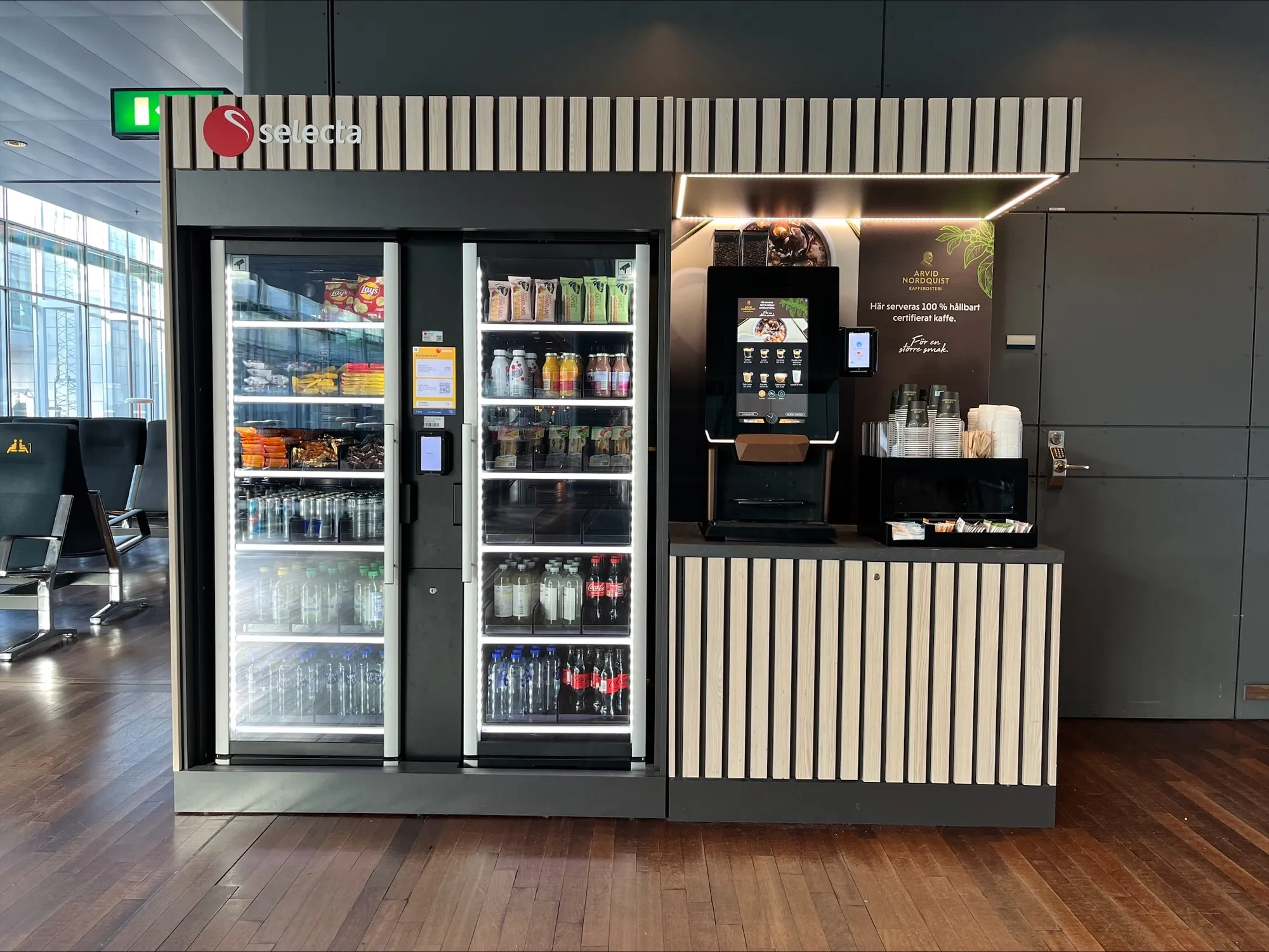 Workplace supply
Breakroom to profit centre: rethinking workplace refreshment
How connected coolers turn employee amenities into tracked, data-driven supply points.
Read more →Stay informed
Get the latest on inventory automation, supply chain strategy, and workplace efficiency.
Ready to automate your physical supply?
Let’s discuss your operational challenges.