
How a distributed operator transformed supply operations with automation
An application story about reducing manual inventory work and improving product availability across a distributed network.
Consider a food and beverage operator running points of sale across a distributed network: the kind of operation where inventory lives everywhere and visibility lives nowhere. This application story describes how automation changes the daily mechanics of such an operation, drawn from comparable Instant Systems deployments.
The starting point
Before automation, each site's stock is known only when someone stands in front of it. Replenishment vans are loaded on estimates. Some sites get product they do not need; others run empty by Thursday. Shrinkage appears only in month-end totals, unattributable to any site or day. The operation is not badly run; it is running blind, like most distributed supply operations.
What changes
The deployment pattern is consistent: Smart Coolers across the network, each unit tracking removals in real time with Weight Cell Technology, with integrated payment and remote management through Instant Cockpit. The operational shift is larger than the hardware swap. Replenishment inverts: instead of visiting to discover what is needed, the team knows before leaving the depot; routes and loads follow live data.
Shrinkage localises: losses stop being a month-end mystery and become a per-unit, per-day signal, which makes them actionable; in comparable deployments, shrinkage typically falls significantly within the first quarters. Assortment learns: sales data per site reshapes what each cooler stocks. And site visits get purposeful: every visit has a task list generated from data, not a discovery mission.
The operation is not badly run; it is running blind.
The quiet benefits
Two effects tend to surprise teams. First, forecasting improves planning beyond the coolers themselves: live consumption data sharpens purchasing upstream. Second, the platform scales without scaling the team: adding a site means commissioning a unit remotely, not hiring another route check.
The lesson for distributed operations
The pattern generalises: when inventory is distributed, visibility is the bottleneck, not effort, not people. Automate the visibility and the rest of the operation reorganises around the data almost by itself.
Whitepaper: Scaling supply automation, lessons from industry leaders
What separates a successful multi-site rollout from a stalled pilot.
Key takeaways
Related articles
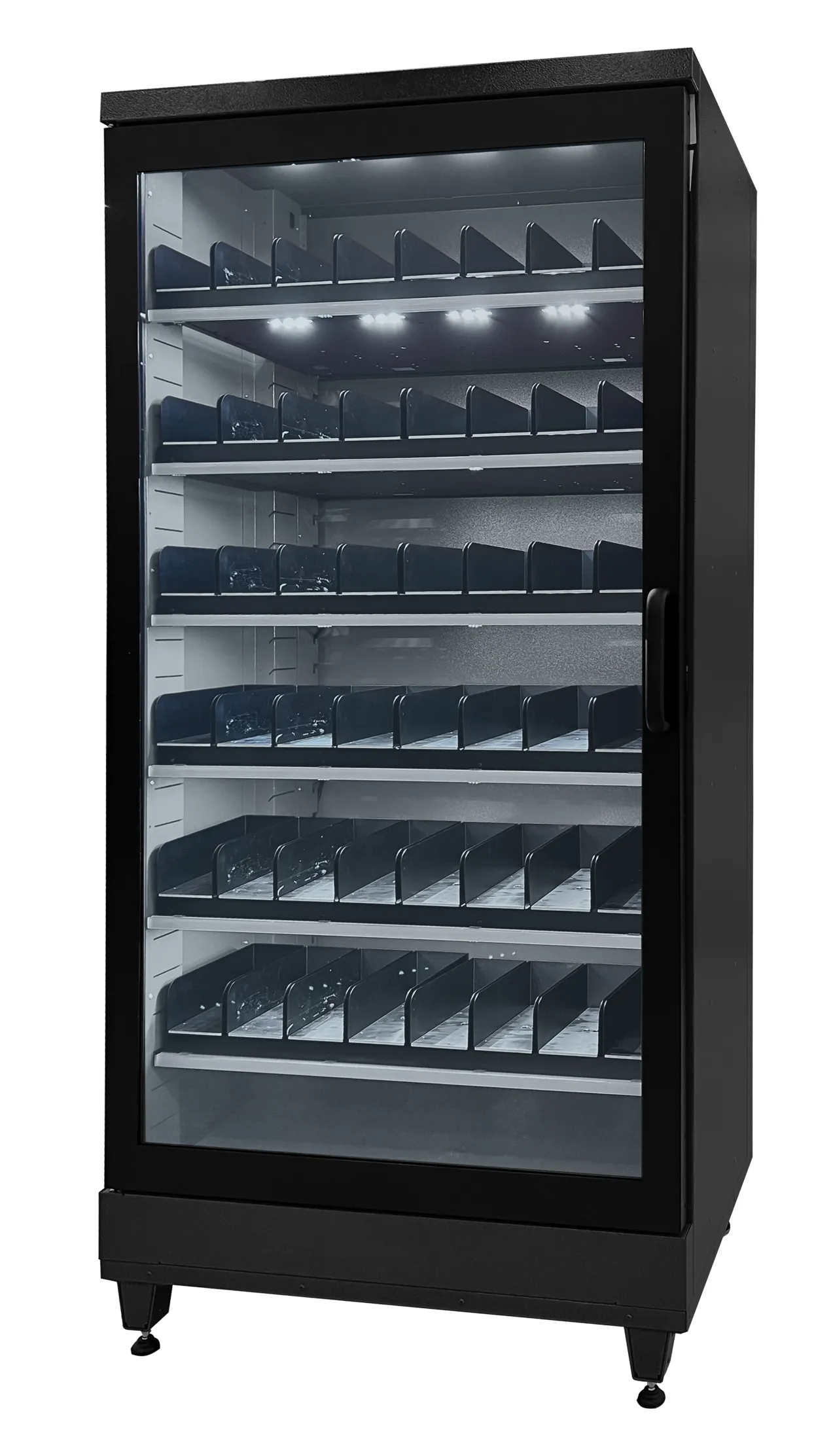 Supply automation
The ROI of smart inventory systems in retail operations
The financial impact of reducing shrink, improving stock accuracy, and automating replenishment across locations.
Read more →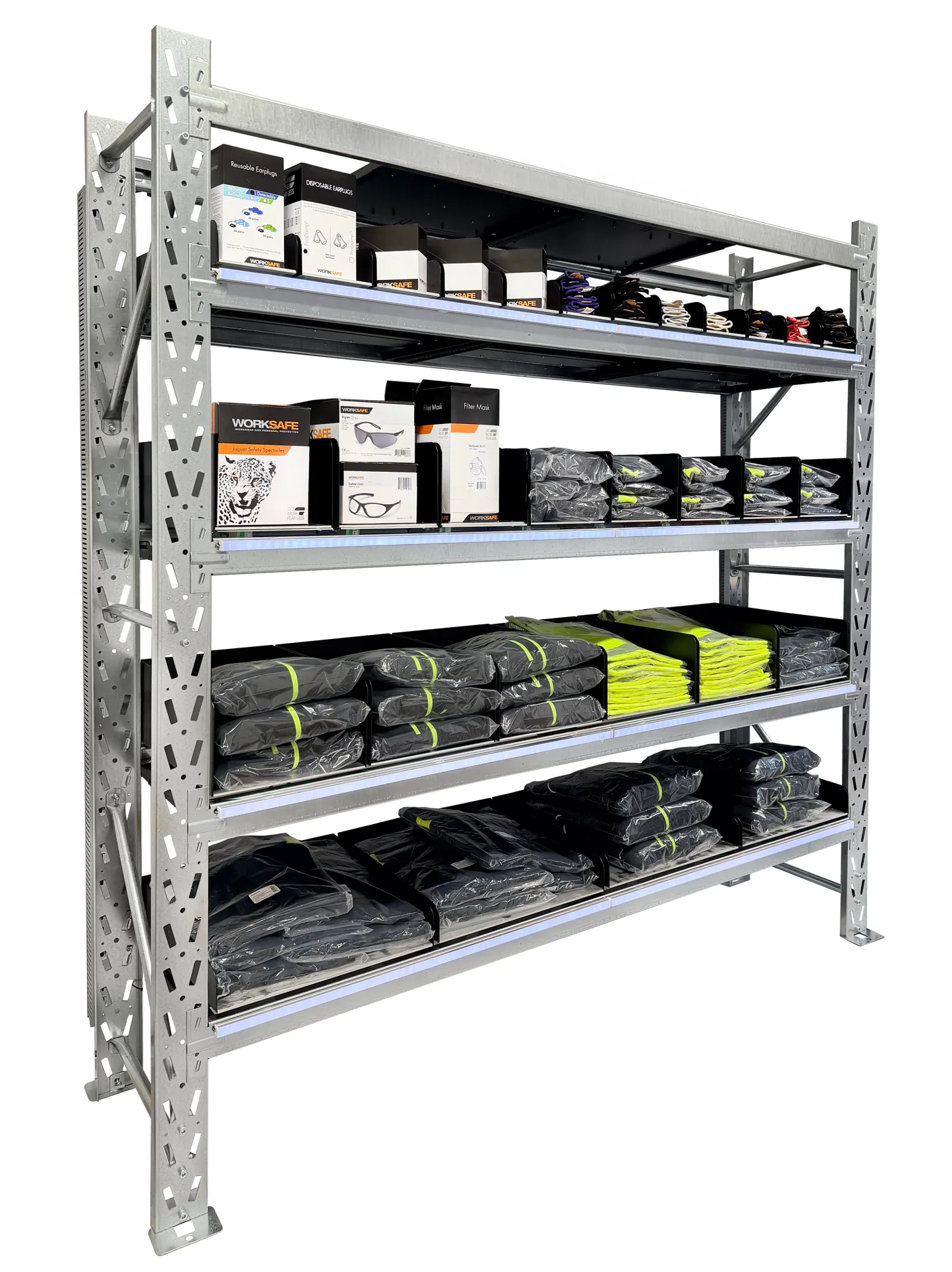 Workplace supply
Breakroom to profit centre: rethinking workplace refreshment
How connected coolers turn employee amenities into tracked, data-driven supply points.
Read more →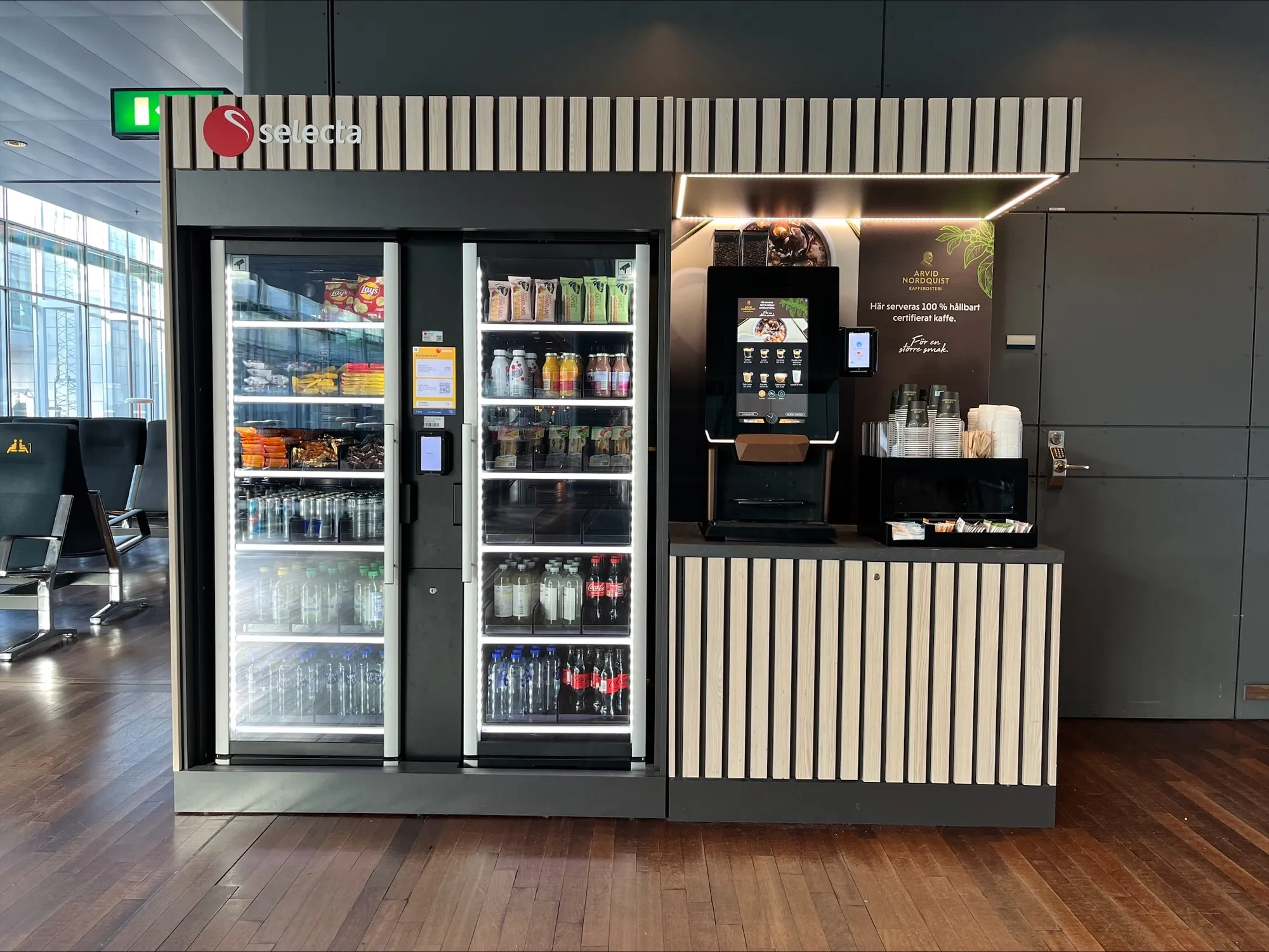 Logistics
The future of automated supply systems in logistics
Emerging trends in warehouse automation, real-time visibility, and autonomous inventory across distribution networks.
Read more →Stay informed
Get the latest on inventory automation, supply chain strategy, and workplace efficiency.
Ready to automate your physical supply?
Let’s discuss your operational challenges.