
The future of automated supply systems in logistics
Emerging trends in warehouse automation: real-time visibility, accountable access, and autonomous inventory across distribution networks.
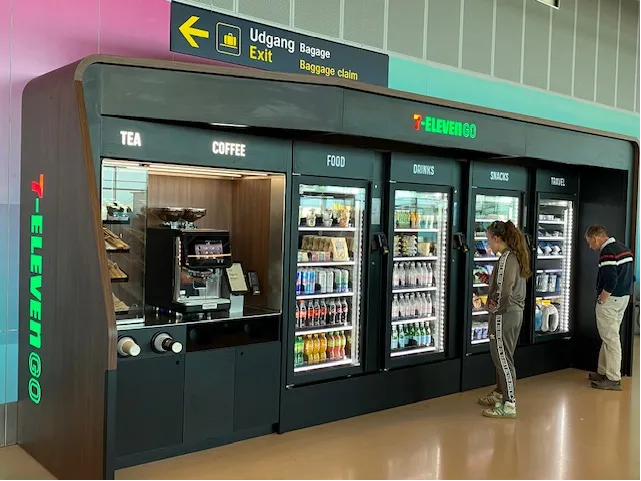
Logistics has spent a decade automating what moves, conveyors, sortation, robotics. The next five years belong to automating what supports the movement: the tools, PPE, consumables, and operational supplies that keep a warehouse running. Here are the shifts we see defining automated supply in logistics.
From scheduled counts to ambient visibility
Counting is a snapshot; operations are a stream. Weight-sensing shelving and connected storage make quantity a live property of the shelf itself, no scanning, no counting events, no drift between system and reality. The technology exists today; the shift is operational, not technical. Distribution centres using weight-cell shelving typically see stockouts of operational supplies fall sharply while manual counts disappear entirely.
From anonymous supply rooms to accountable access
PPE and consumables budgets leak when access is anonymous.
Expect access-controlled dispensing, cabinets and shelves that know who took what, to become standard at supply points, for the same reason badge access became standard at doors: accountability by design, not by enforcement.
Counting is a snapshot; operations are a stream.
From reactive to predictive replenishment
Once consumption is measured continuously, replenishment stops being a guess. Minimum-level triggers are the first step; consumption analytics per shift, season, and site are the second. The end state is procurement driven by demand signals from the shelf, fewer emergency purchases, less working capital sleeping on racks.
From site systems to network platforms
The unit of management is no longer the warehouse; it is the network. One platform managing every supply point across every site, with remote configuration, diagnostics, and updates, is what makes automation scale economically. This is the role of Instant Cockpit in the Instant Systems platform: one screen, every location, live.
From data to AI-assisted operations
The volume of transaction data these systems generate exceeds what teams can analyse manually. AI assistance, like ISSA in the Instant Systems ecosystem, turns that data into answers: what is running low, what is over-stocked, what changed this month. The operators who win will be the ones whose systems explain themselves.
Whitepaper: The ROI of real-time inventory visibility
How reducing shrink, stockouts, and audit time compounds into measurable financial impact.
What to do now
You do not need a lights-out warehouse to benefit. Start where supply friction is highest, the PPE point that always runs dry, the consumables no one can account for, and instrument it. Measure for a quarter. Scale what pays. The future of automated supply arrives one supply point at a time.
Key takeaways
Related articles
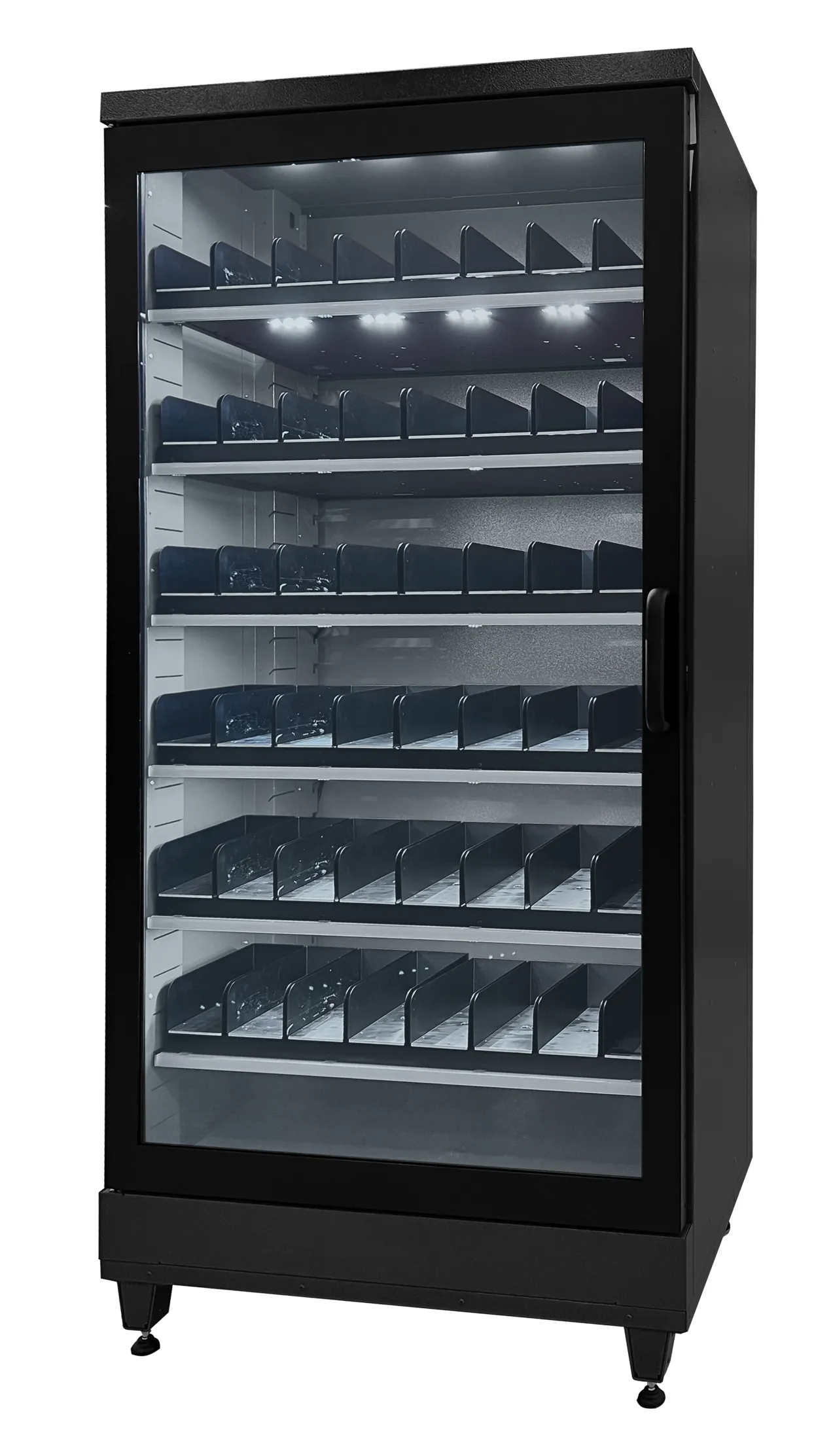 Tool control
Smart cabinets vs traditional storage in manufacturing
How automated access control and real-time tracking reduce tool loss and improve shop-floor efficiency.
Read more →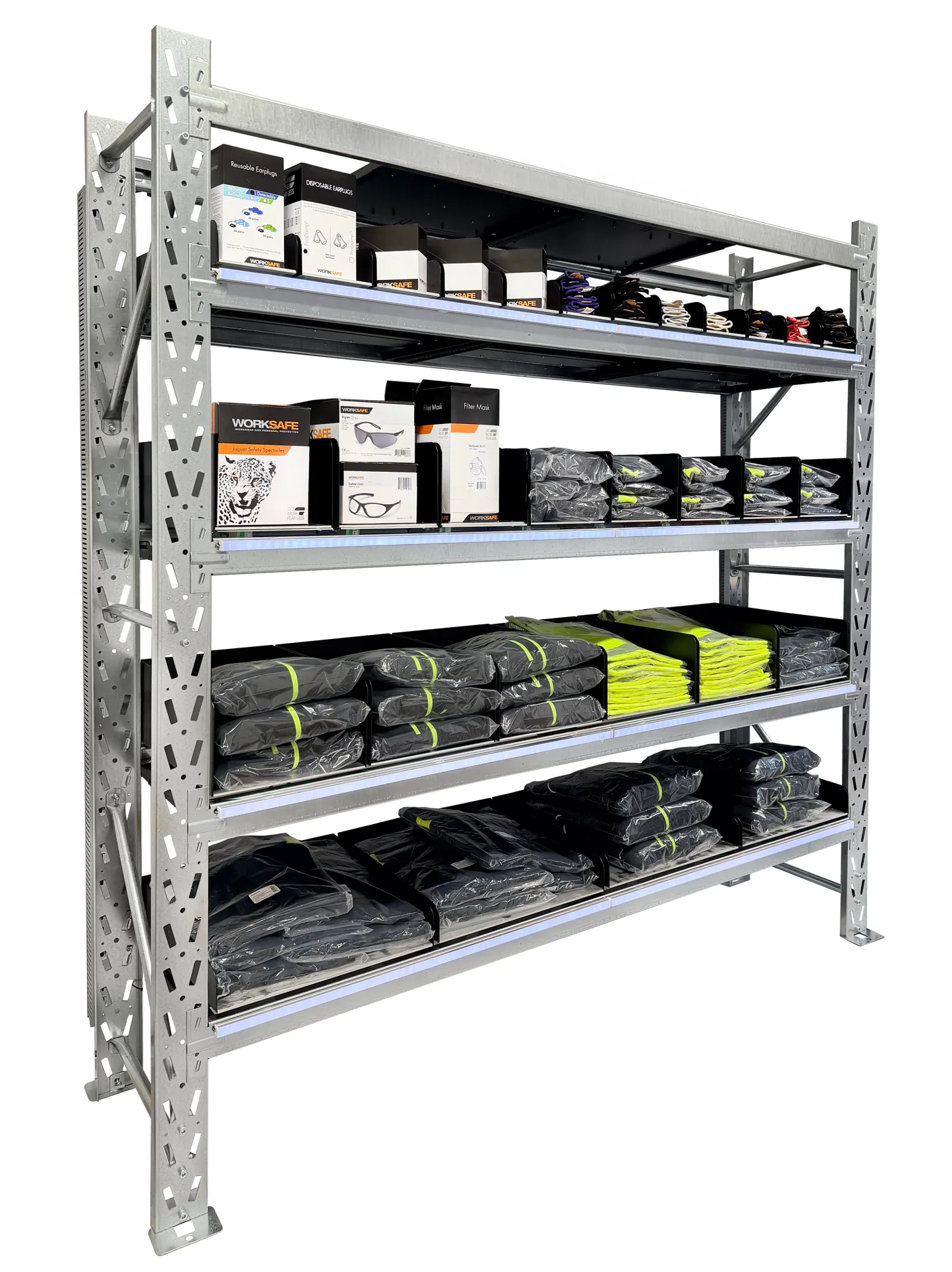 Supply automation
How unexpected stockouts disrupt production schedules
The root causes of supply chain failures and how real-time inventory systems prevent costly downtime.
Read more →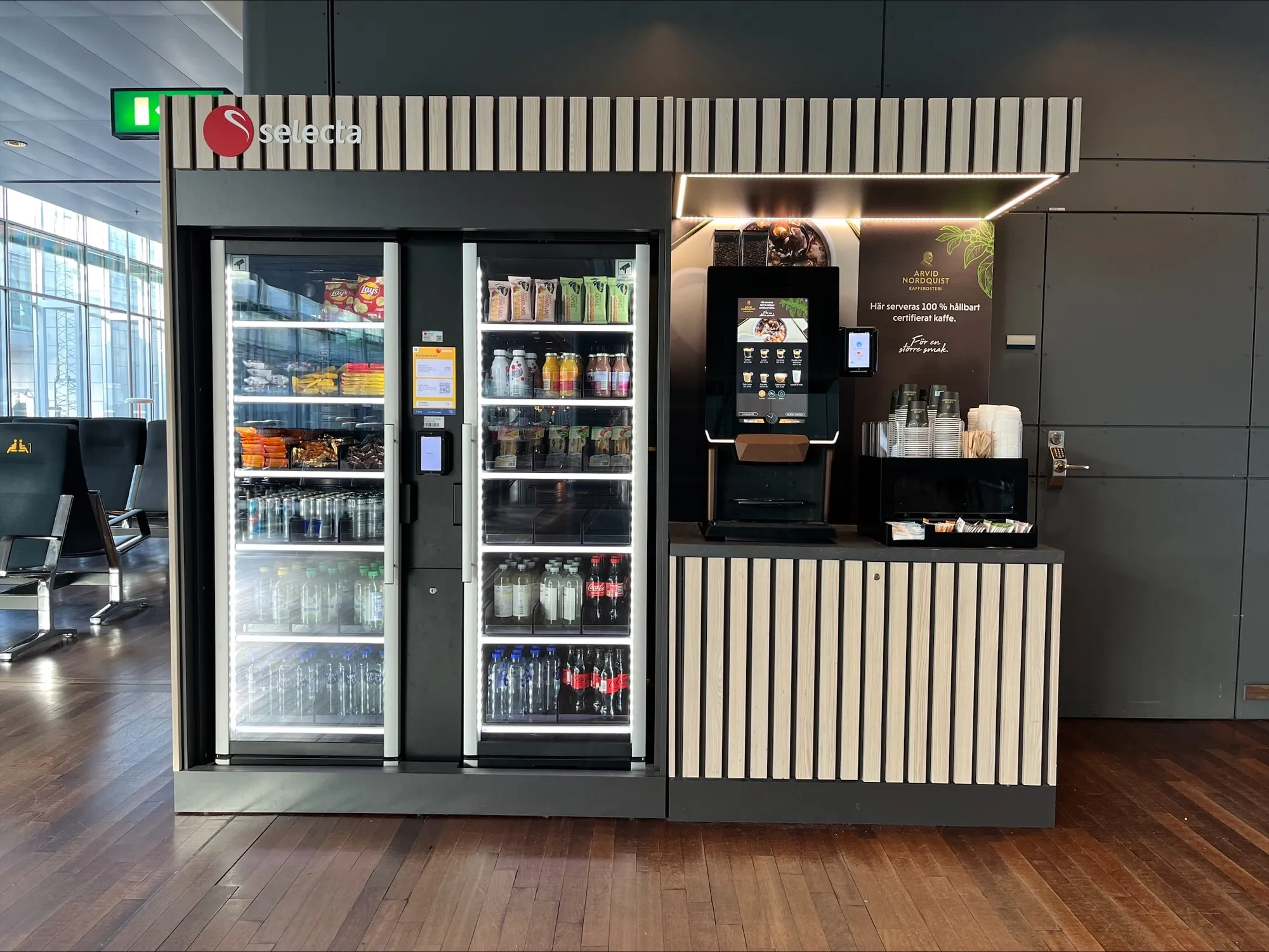 Logistics
Slow audit cycles slow down your entire operation
How automated inventory systems cut audit time from days to hours and improve supply visibility.
Read more →Stay informed
Get the latest on inventory automation, supply chain strategy, and workplace efficiency.
Ready to automate your physical supply?
Let’s discuss your operational challenges.