
Smart cabinets vs traditional storage in manufacturing
This article compares traditional storage with smart cabinets across the dimensions that decide cost in manufacturing: access control, tracking accuracy, downtime, and administration.
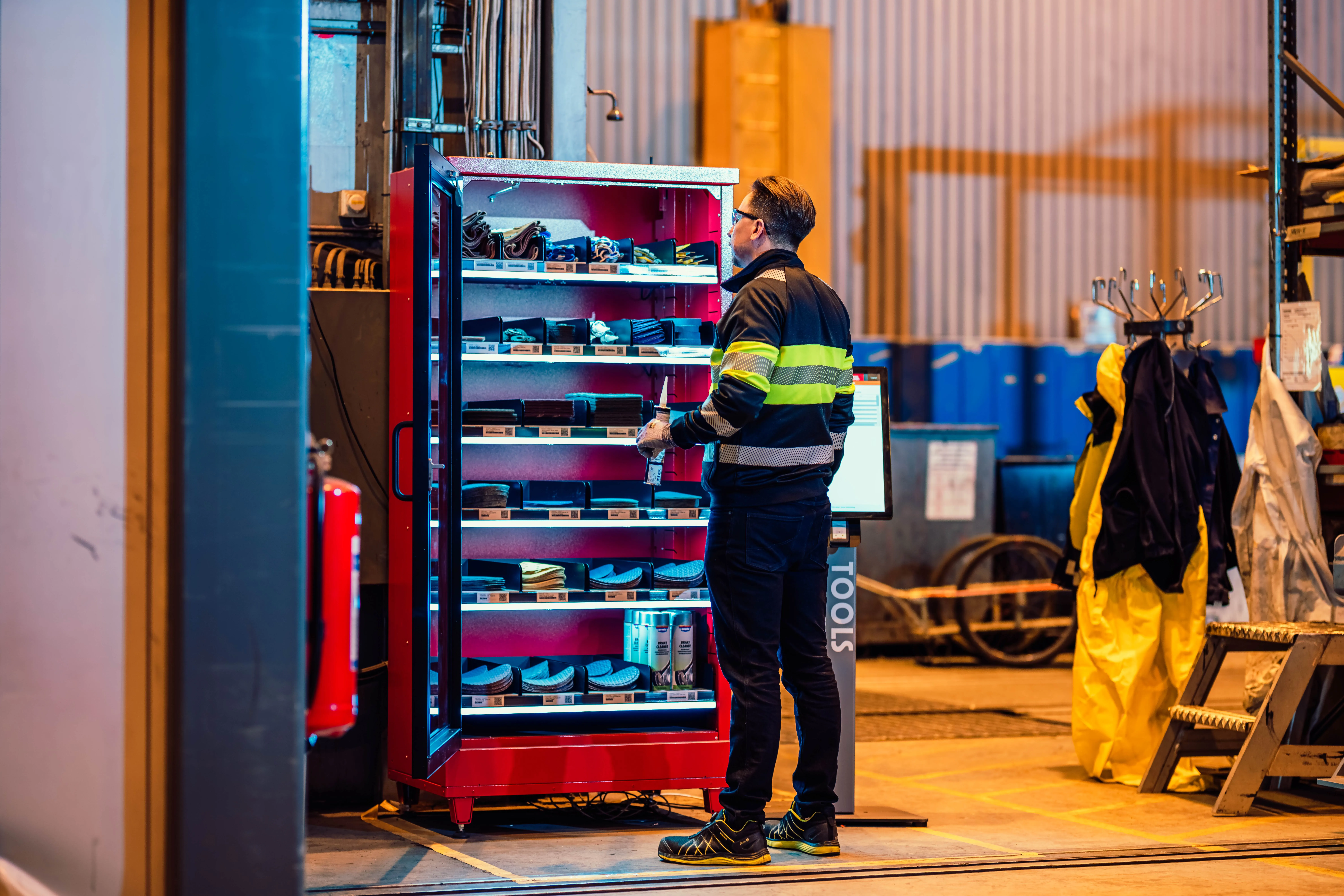
Walk any production floor and you will find the same two objects: a locked cabinet with a key that three people can find, and an open shelf that anyone can empty. Both are called “tool storage”. Neither can answer the only questions that matter: what is in there right now, and who took what?
Access: keys versus identity
Traditional storage offers two extremes, locked (secure but slow, dependent on a keyholder) or open (fast but anonymous). A Smart Cabinet removes the trade-off: any authorised person gets immediate self-service access, and every opening is tied to their identity. Security stops costing speed.
Tracking: memory versus measurement
Paper logs and tool boards rely on discipline, and discipline erodes at the end of a shift. Weight Cell Technology measures what actually left the cabinet and what came back, automatically, at item level. The record exists whether or not anyone remembers to write.
In practice this is the difference between roughly-right monthly counts and continuously accurate stock. Deployments of access-controlled smart cabinets have cut tool loss by 80–87% simply because withdrawals stopped being anonymous.
The most expensive tool is the one nobody can find.
Downtime: the invisible line item
The most expensive tool is the one nobody can find. Searching, borrowing between lines, waiting for an emergency order, none of it appears in a budget, all of it stops work. Real-time visibility eliminates the search, and automatic replenishment prevents the empty slot: minimum level reached, order triggered, before the last item leaves.
Administration: audits versus analytics
With traditional storage, an audit is an event: work stops, people count. With a connected cabinet, the system is the record, audits become a report, not a shutdown. Beyond compliance, usage analytics answer questions no clipboard ever could: which tools are actually used, which sit idle, what each line really consumes.
Total cost over five years
Traditional storage is cheap to buy and expensive to run: losses, emergency purchases, search time, audit labour, and over-stocking “just in case”. A smart cabinet inverts the curve, higher initial investment, then a running operation that gets cheaper as loss, search time, and manual counting fall away. When comparing, price the five years, not the cabinet.
Whitepaper: Integrating smart cabinets in lean manufacturing
The deeper numbers behind the five-year cost comparison.
The platform difference
A smart cabinet on its own is a better cabinet. Connected through Instant Cockpit, alongside Open Shelf for consumables and Pallet Scale for bulk materials, it becomes part of one platform automating the plant’s physical supply end to end, with ISSA assisting the team and ERP integration closing the loop to procurement.
Key takeaways
Related articles
 Tool control
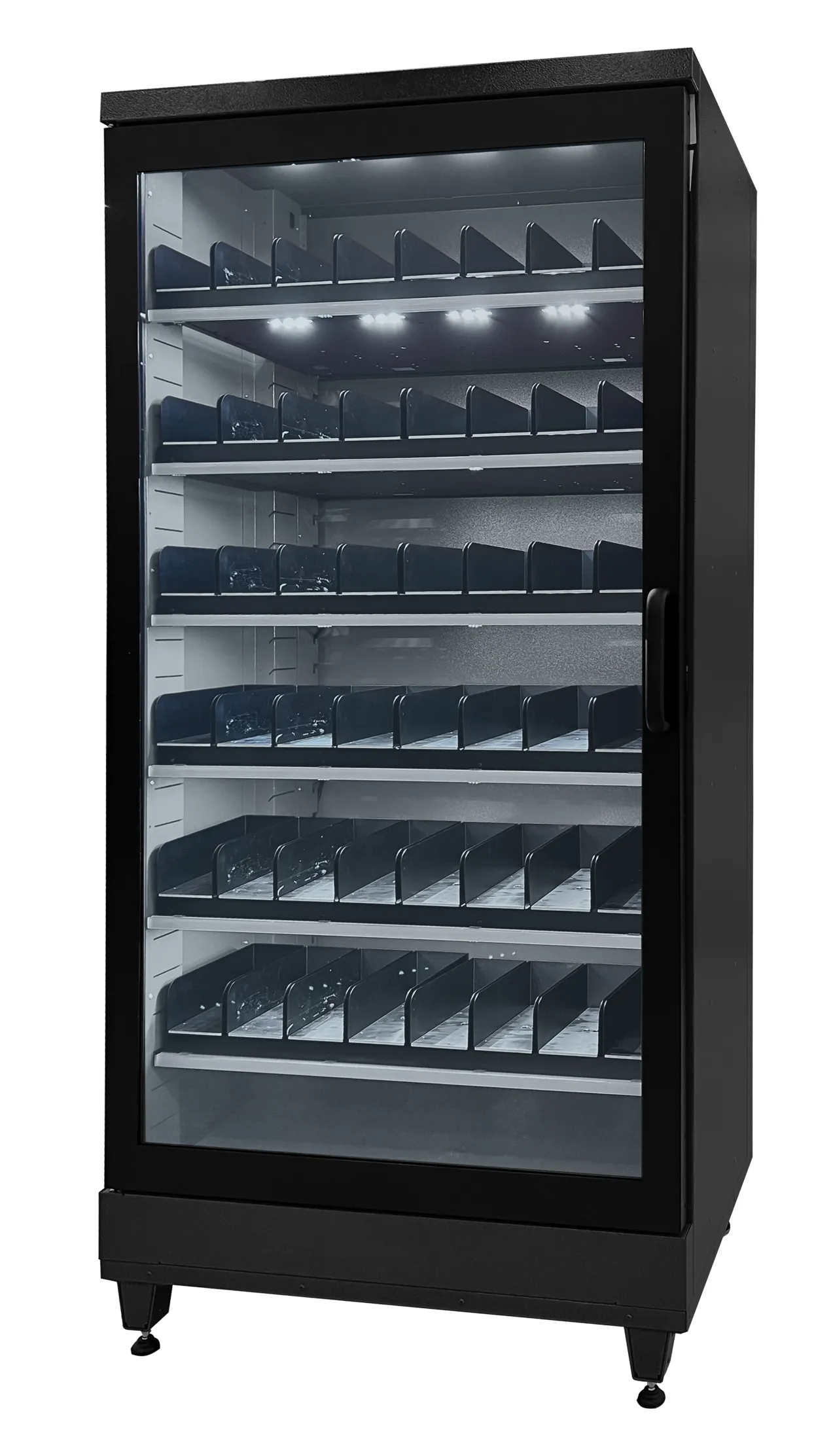
Lost tools, lost time, lost money in manufacturing
How smart cabinets and automated tracking eliminate tool loss and improve shop-floor accountability.
Read more →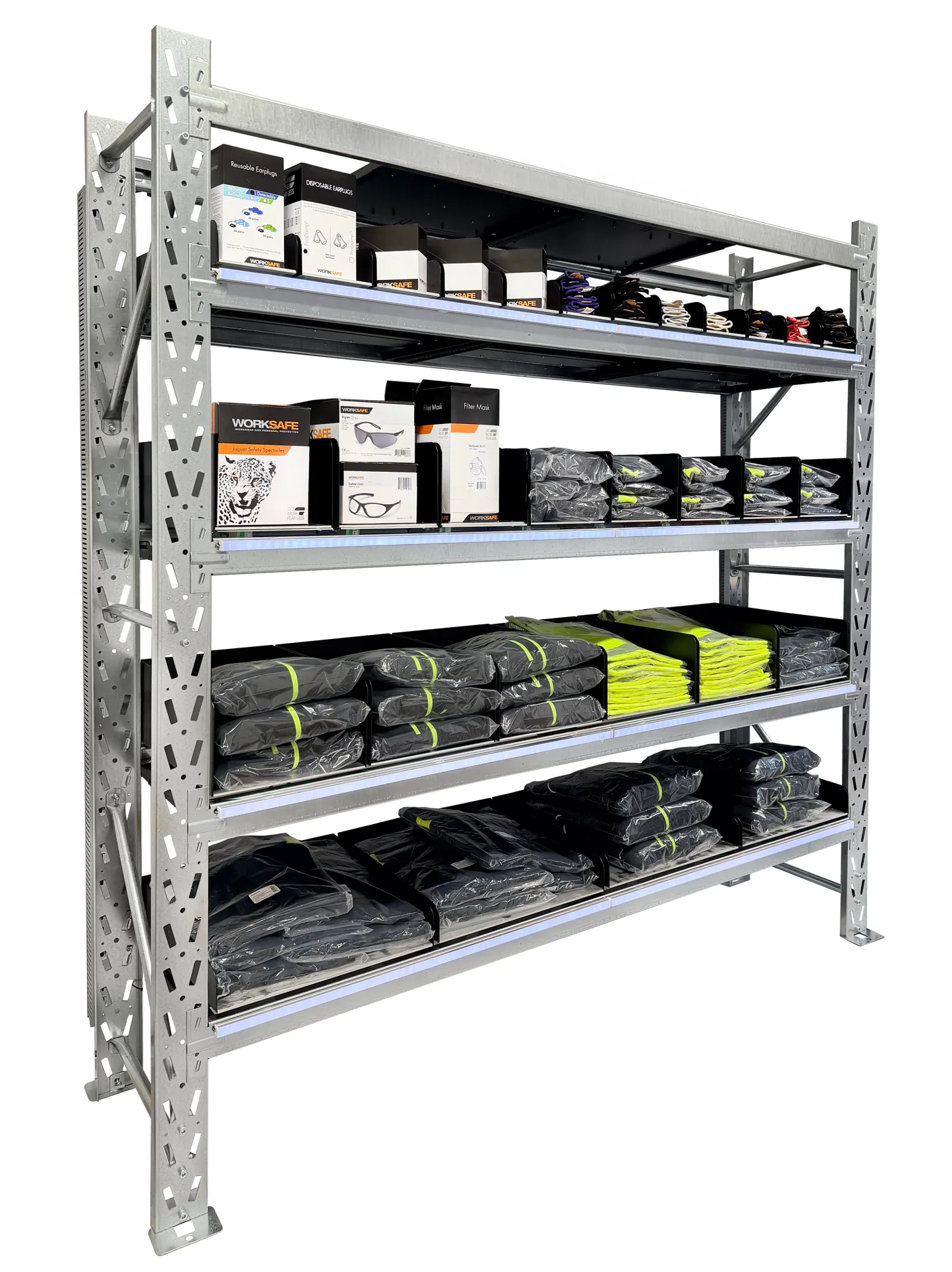 Supply automation
How unexpected stockouts disrupt production schedules
The root causes of supply chain failures and how real-time inventory systems prevent costly downtime.
Read more →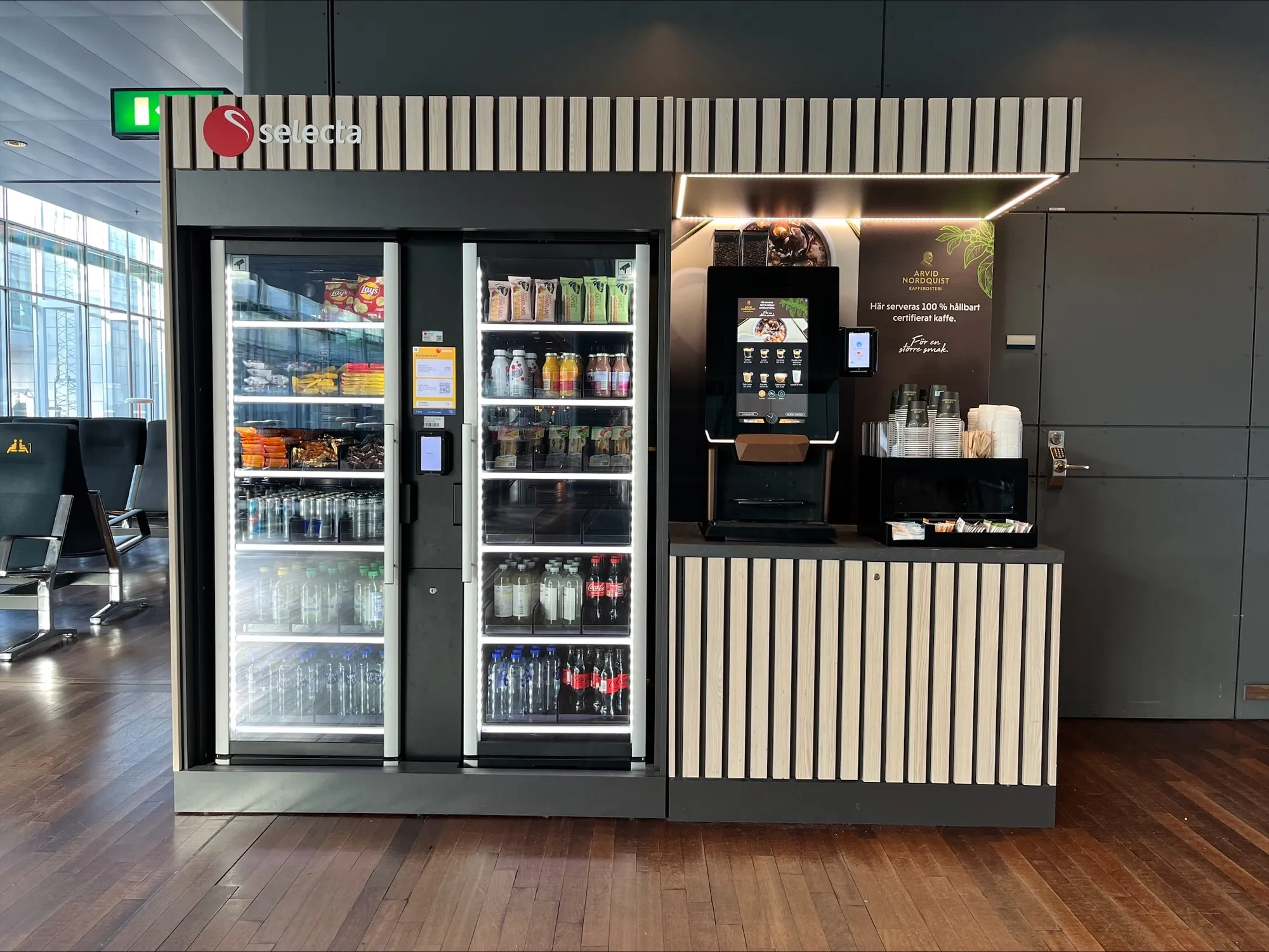 Logistics
Slow audit cycles slow down your entire operation
How automated inventory systems cut audit time from days to hours and improve supply visibility.
Read more →Stay informed
Get the latest on inventory automation, supply chain strategy, and workplace efficiency.
Ready to automate your physical supply?
Let’s discuss your operational challenges.