
How unexpected stockouts disrupt production schedules
The root causes of supply chain failures and how real-time inventory systems prevent costly downtime.
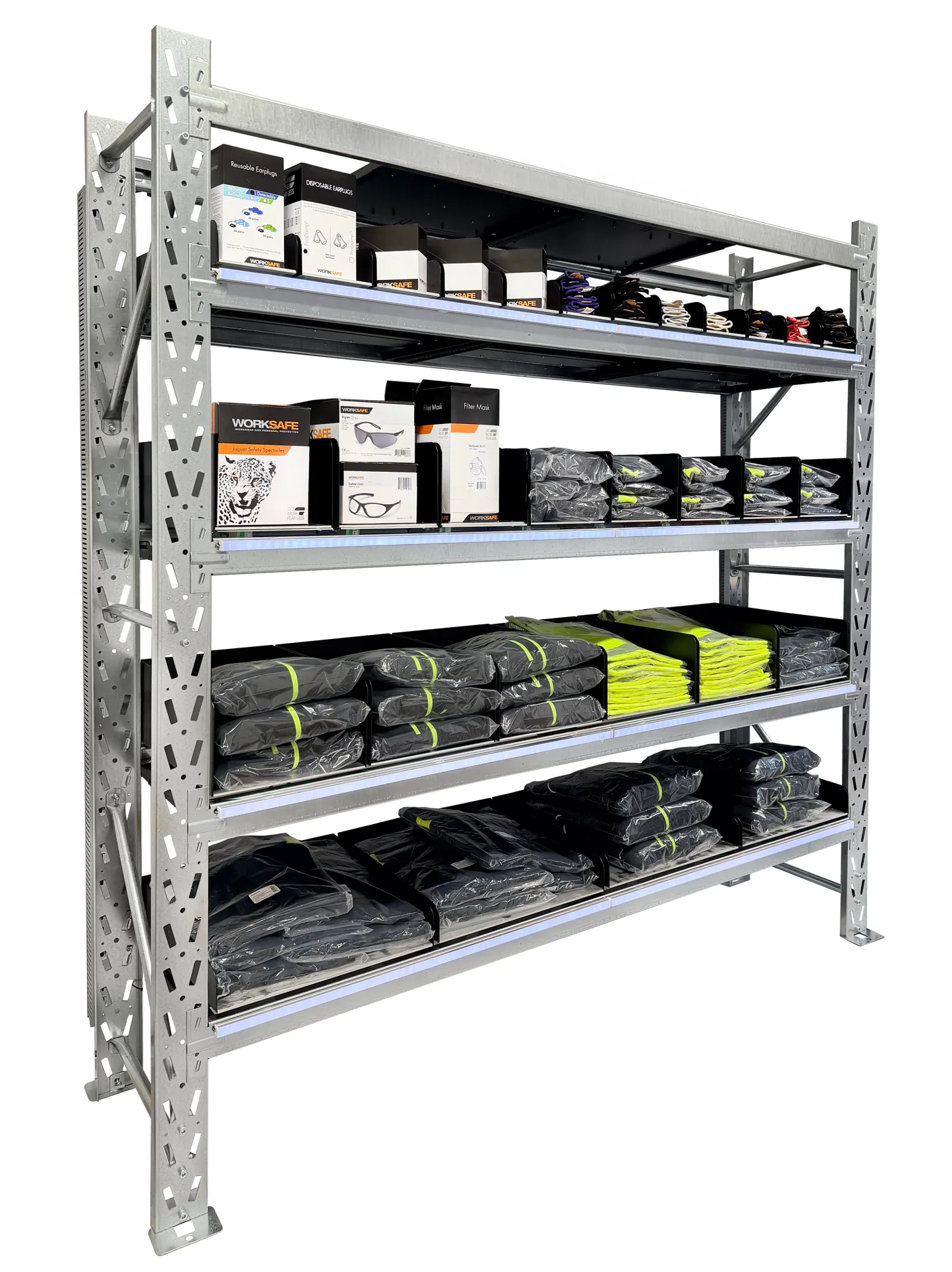
A production schedule assumes one quiet thing: that every item needed will be there when needed. Most schedule risk management looks outward, suppliers, freight, demand. But a large share of disruption starts inside the building, at a shelf that quietly ran empty.
The anatomy of an internal stockout
Internal stockouts follow the same script. An item is consumed faster than assumed. The count that would have caught it happens weekly, not continuously. The person who takes the last one assumes someone else will report it. The next person needs it mid-job, and now a line waits while purchasing expedites an emergency order at a premium.
The root causes are structural, not human. Stock levels are estimates: between counts, the system number and the shelf diverge. Consumption is invisible: nobody measures the rate at which items leave. Replenishment is calendar-based: orders follow schedules, not consumption. And no early warning exists: the empty slot is discovered, not predicted.
What a stockout actually costs
The item is the smallest cost. The real bill: halted or re-sequenced production, idle labour, expedited freight and emergency-purchase premiums, overtime to recover the schedule, and, repeated often enough, inflated safety stock everywhere, which ties up working capital without actually preventing the next surprise.
The empty slot should be predicted, not discovered.
Prevention is measurement, not discipline
Asking people to count more carefully treats the symptom. The fix is to make the shelf report itself. Real-time tracking: Weight Cell Technology detects every removal and return, so the live count is the true count. Automatic triggers: replenishment fires at the minimum level, before the last item leaves, through integration with ERP and procurement.
Consumption analytics set par levels from measured usage per line and season, not habit. And accountability: access-controlled storage for critical items, so shrinkage stops masquerading as consumption. Operations running this model typically drive stockouts of critical items towards zero, not because people improved, but because the system stopped depending on them.
The bigger picture
Stockouts are one symptom of unmanaged physical supply. The same platform that prevents them, connected storage, live inventory, automated replenishment through one system, also cuts shrinkage, audit time, and working capital. Fixing stockouts is often the first, fastest-payback step into physical supply automation.
Whitepaper: The ROI of real-time inventory visibility
How fewer stockouts, less shrink, and faster audits compound across sites.
Key takeaways
Related articles
 Tool control
Lost tools, lost time, lost money in manufacturing
How smart cabinets and automated tracking eliminate tool loss and improve shop-floor accountability.
Read more →LogisticsThe future of automated supply systems in logistics
Emerging trends in warehouse automation, real-time visibility, and autonomous inventory across distribution networks.
Read more → Logistics
Slow audit cycles slow down your entire operation
How automated inventory systems cut audit time from days to hours and improve supply visibility.
Read more →Stay informed
Get the latest on inventory automation, supply chain strategy, and workplace efficiency.
Ready to automate your physical supply?
Let’s discuss your operational challenges.