
Lost tools, lost time, lost money in manufacturing
How smart cabinets and automated tracking eliminate tool loss and improve shop-floor accountability.
Every plant has a number it does not know: what lost tools actually cost per year. Not just replacement purchases, the search time, the borrowed tools that migrate between lines, the calibrated instrument that misses its certification date because nobody knows where it is, the job that waits.
Why tools disappear
Tools rarely get stolen. They get absorbed. A technician borrows a torque wrench for a quick job; the job runs long; the wrench lives in a toolbox now. A shared cabinet is left open on nights. A contractor leaves with something in a bag, unnoticed because nothing was ever signed out. No single event looks like a loss. The aggregate is material, month after month.
The common factor: anonymity. Where no record connects an item to a person, loss is not anyone's problem, so it becomes everyone's cost.
The three costs, in order of size
Time is the largest and least visible cost. Search time runs minutes per incident, dozens of incidents per day, across every technician. In typical deployments, hundreds of hours per year are recovered once search time disappears.
Downtime comes next: when the missing tool is critical, a calibrated instrument, a specialised fixture, the cost jumps from minutes to a stopped line and a re-sequenced schedule. And then money: replacement purchases, duplicate stock bought so we always have one, emergency orders at premium prices, and audit labour to reconcile what the records say against what the shelves hold.
Where loss is not anyone's problem, it becomes everyone's cost.
Accountability by design
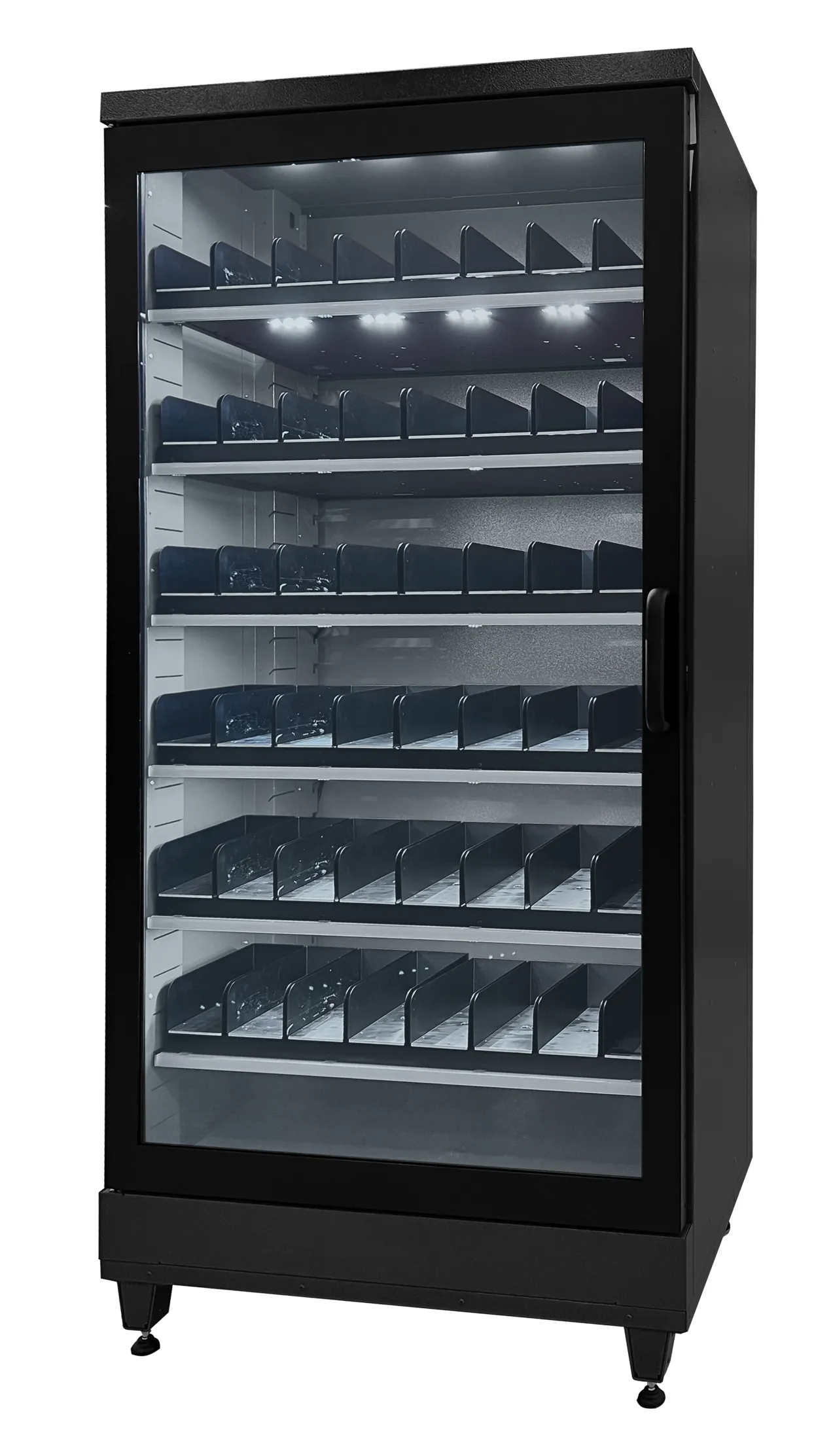
The fix is not stricter rules; rules erode. It is storage that makes accountability automatic. Smart Cabinets give authorised users immediate self-service access while logging every withdrawal and return to a person, automatically, with Weight Cell Technology confirming what actually moved. Instant Cockpit holds the live record: what is out, with whom, since when, and flags what has not come back.
Automatic replenishment keeps consumables above minimum without anyone counting, and usage analytics reveal which tools the operation actually needs, often shrinking the purchase list, not growing it. Plants running this model typically see tool loss fall dramatically, with audits shifting from a production stoppage to a background report.
Start with the worst crib
You do not need to instrument the whole plant on day one. Pick the tool point with the highest losses, run it access-controlled for a quarter, and compare the numbers. Accountability tends to make its own business case.
Whitepaper: Integrating smart cabinets in lean manufacturing
A practical framework for connecting access-controlled storage to ERP and lean workflows.
Key takeaways
Related articles
Tool controlSmart cabinets vs traditional storage in manufacturing
How automated access control and real-time tracking reduce tool loss and improve shop-floor efficiency.
Read more →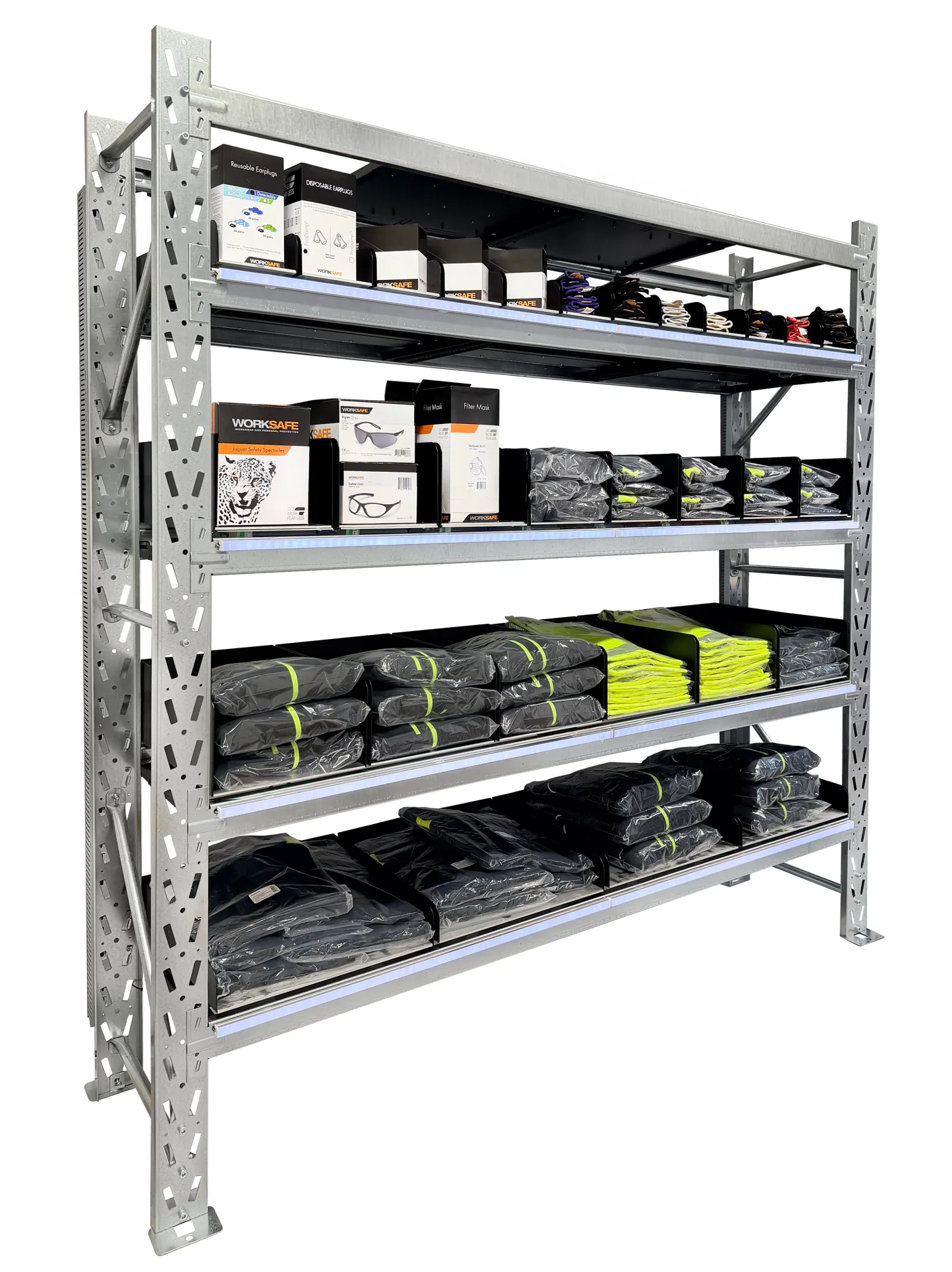 Supply automation
How unexpected stockouts disrupt production schedules
The root causes of supply chain failures and how real-time inventory systems prevent costly downtime.
Read more →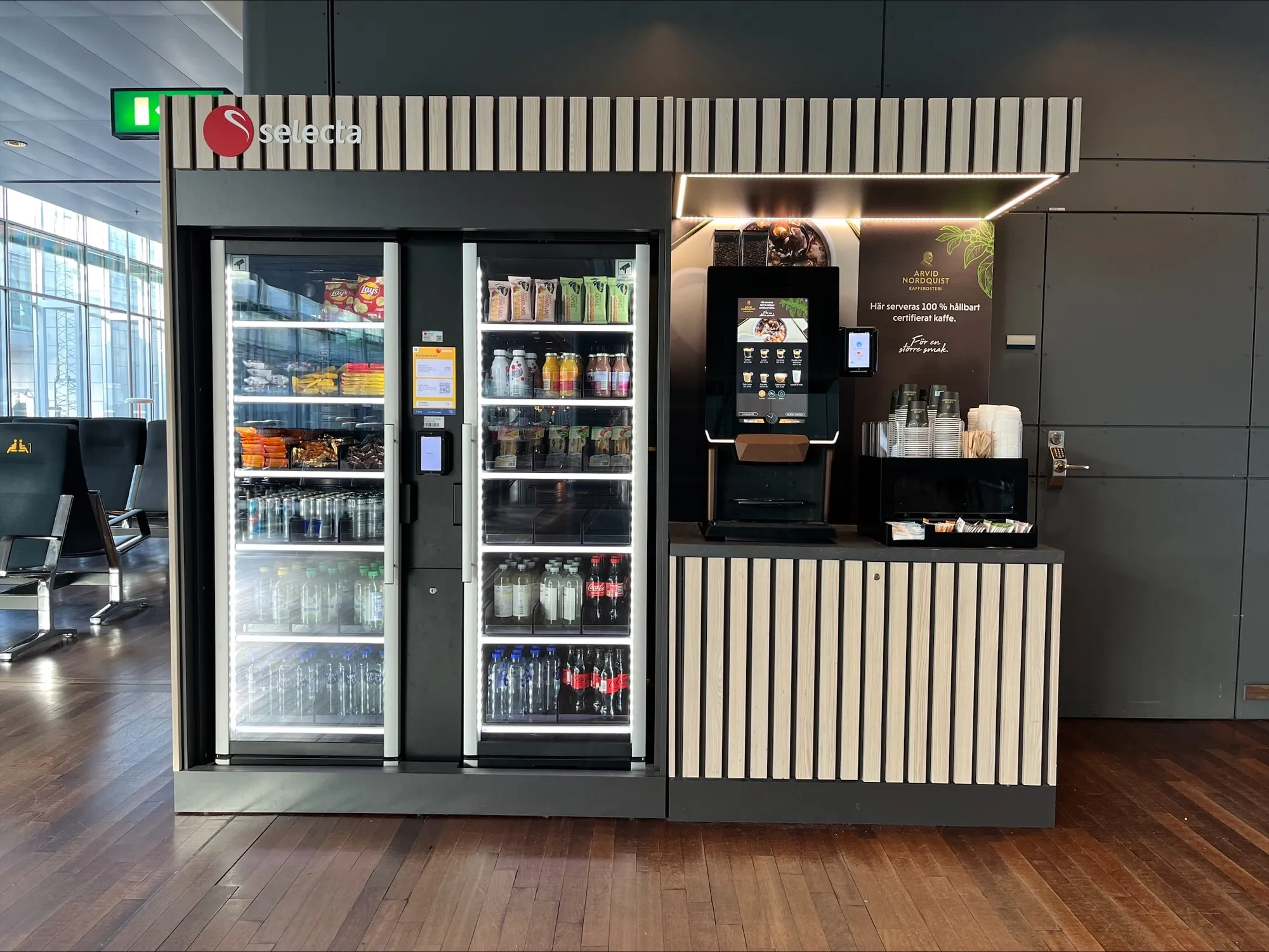 Workplace supply
Self-service supply systems reduce procurement overhead
How smart coolers and cabinets in workplace environments cut admin costs and improve satisfaction.
Read more →Stay informed
Get the latest on inventory automation, supply chain strategy, and workplace efficiency.
Ready to automate your physical supply?
Let’s discuss your operational challenges.