
Self-service supply systems reduce procurement overhead
How smart coolers and cabinets in workplace environments cut admin costs and improve satisfaction.
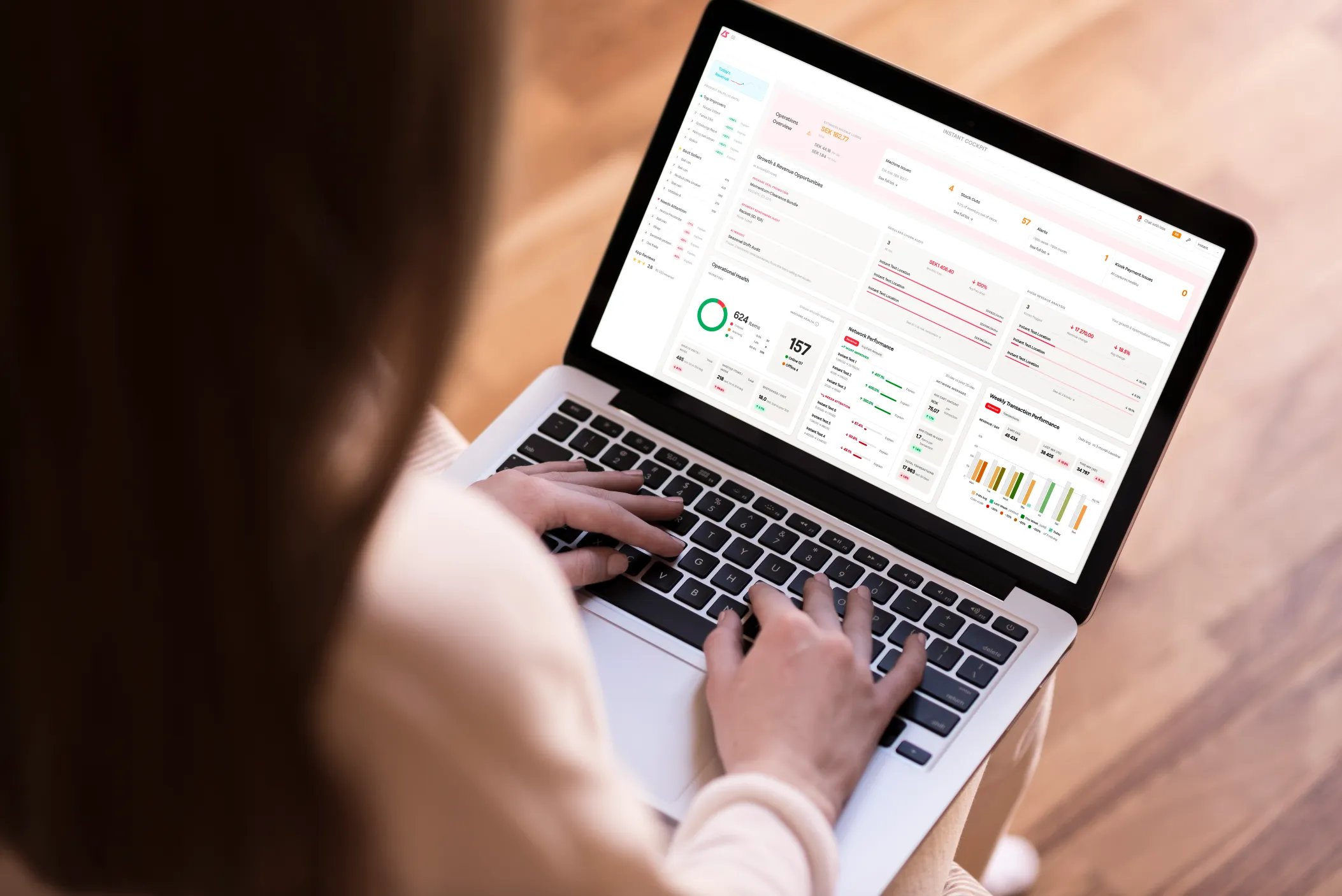
In most organisations, small purchases carry the biggest process. A €4 marker and a €400 keyboard can travel the same route: request, approval, order, receipt, distribution, and a slice of someone's day at every step. Multiply by every consumable, every office, every week, and procurement overhead quietly becomes one of the largest untracked costs in workplace operations.
The overhead anatomy
Transaction cost: each small order consumes the same administrative motions as a large one. Fragmented demand: every team orders separately, so volume discounts evaporate and stockpiles duplicate. Distribution labour: someone receives, stores, and hands out, often facilities staff with better things to do.
Then comes shadow stock: desk drawers fill with just-in-case supplies, invisible to any system. And zero usage data: nobody can say what is actually consumed, so budgets are last year plus a margin.
Self-service with accountability
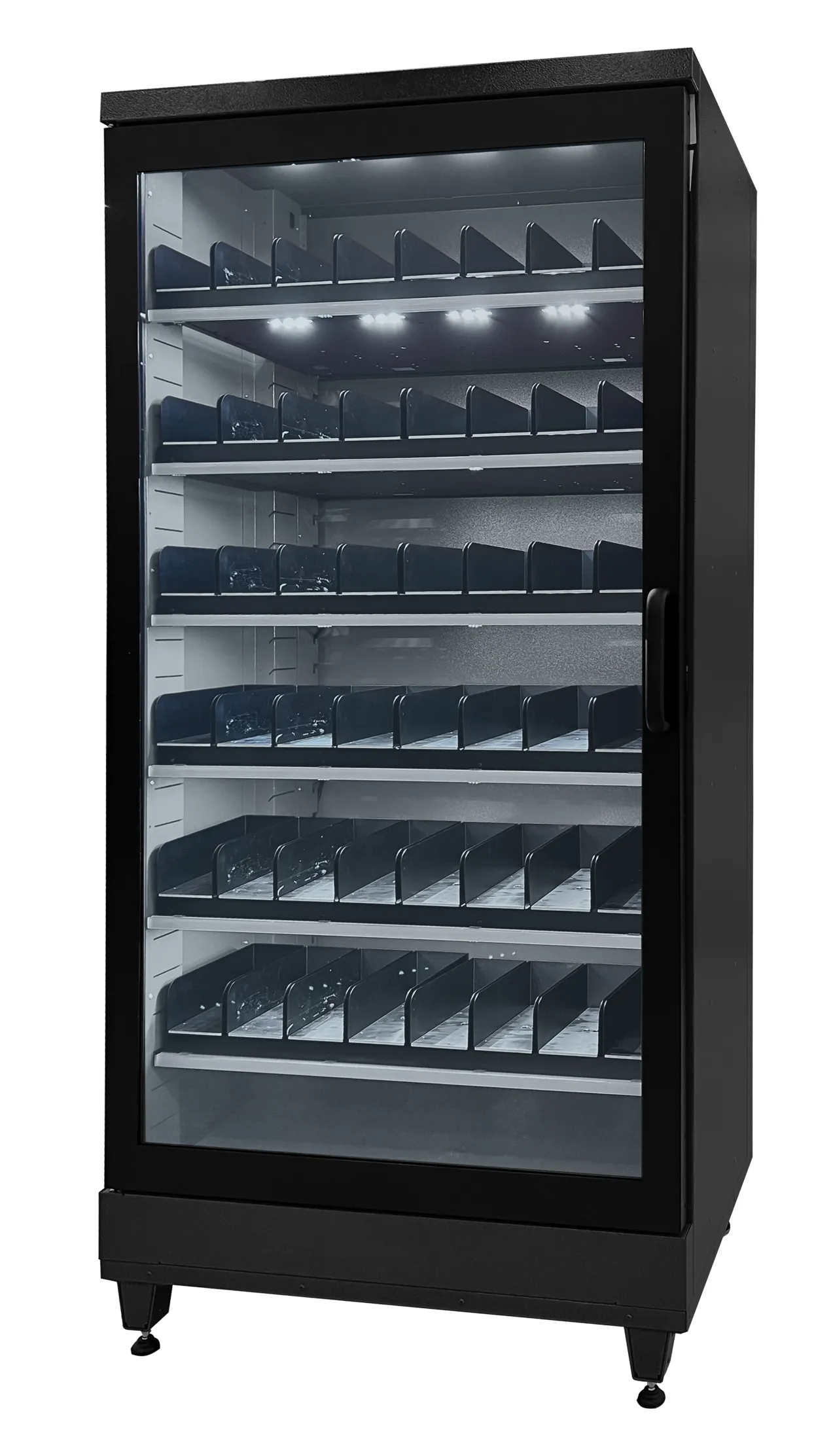
The fix is to move supply to the point of use and let the system do the administration. Smart Cabinets hold IT peripherals, stationery, and higher-value consumables. Any authorised employee takes what they need; the withdrawal is logged to them automatically. Smart Coolers do the same for fresh food and drink in breakout areas.
Instant Cockpit aggregates consumption across every office and triggers replenishment at minimum levels: one consolidated order flow instead of hundreds of micro-orders. And usage analytics finally show what is consumed, where, by which teams, turning budget-setting from folklore into arithmetic.
The cabinet is the distribution.
What changes for procurement
Procurement stops processing transactions and starts managing consumption. Orders consolidate. Distribution labour disappears: the cabinet is the distribution. Shadow stock shrinks because supply is reliably available at the point of use. Organisations running this model typically cut consumable spend meaningfully while improving availability, not rationing it.
Employee experience, not enforcement
Crucially, this is not a locked cupboard with extra steps. For employees it is faster: walk up, badge, take, go. Accountability is a by-product, not a barrier, which is why adoption holds without policing.
Whitepaper: The ROI of real-time inventory visibility
How reducing shrink, stockouts, and audit time compounds into measurable financial impact.
Key takeaways
Related articles
 Workplace supply
Breakroom to profit centre: rethinking workplace refreshment
How connected coolers turn employee amenities into tracked, data-driven supply points.
Read more →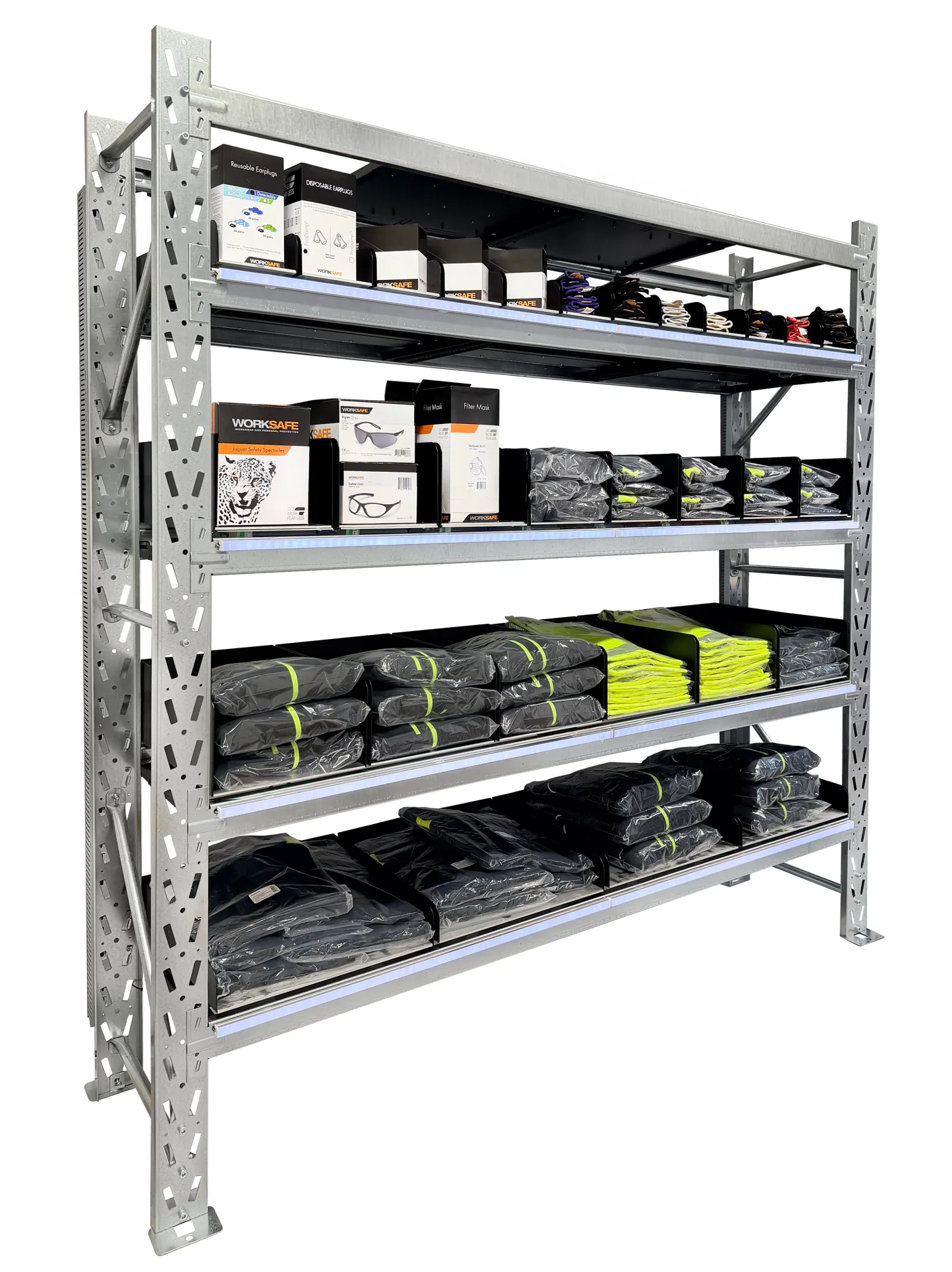 Supply automation
How unexpected stockouts disrupt production schedules
The root causes of supply chain failures and how real-time inventory systems prevent costly downtime.
Read more →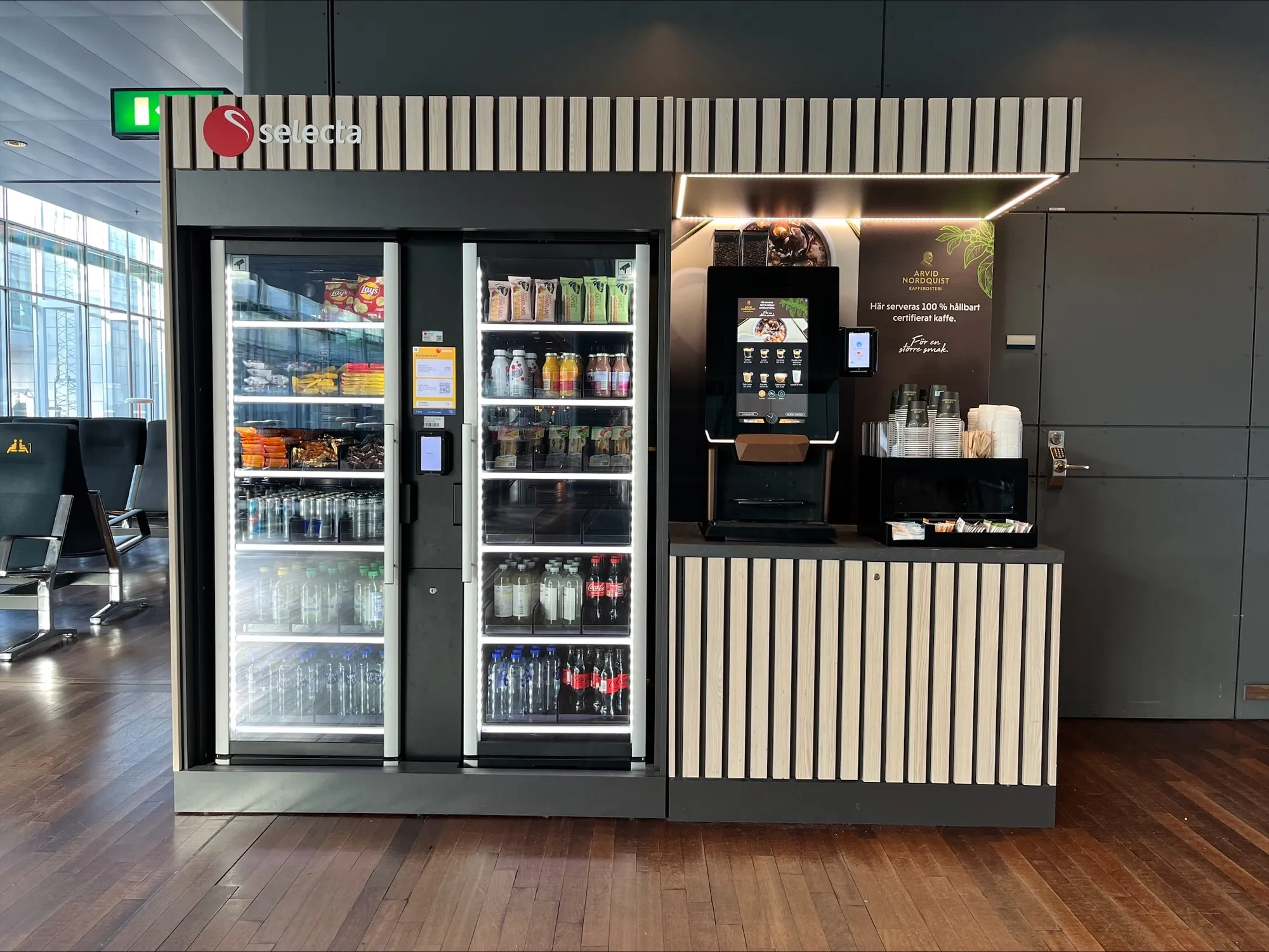 Tool control
Lost tools, lost time, lost money in manufacturing
How smart cabinets and automated tracking eliminate tool loss and improve shop-floor accountability.
Read more →Stay informed
Get the latest on inventory automation, supply chain strategy, and workplace efficiency.
Ready to automate your physical supply?
Let’s discuss your operational challenges.