
Smart cabinets vs traditional storage: a data-driven comparison
A side-by-side look at access control, tracking accuracy, and total cost of ownership over five years.
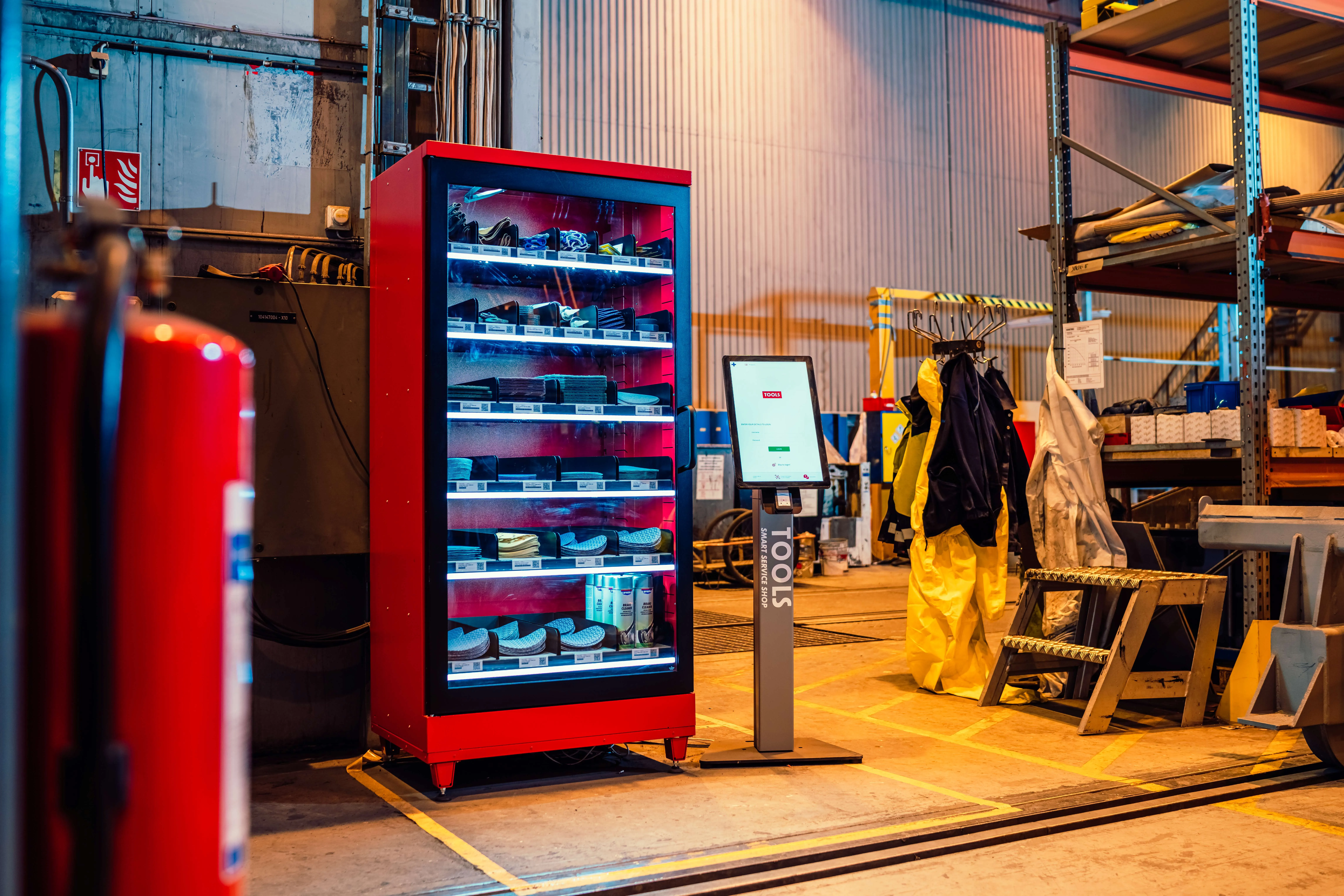
Every comparison of storage begins with the purchase price and usually ends there. This one takes the other route: five years of operation, side by side, across the dimensions that actually generate cost: access, accuracy, loss, labour, and data.
Access control
Traditional storage offers a lock and a key, or no lock at all: secure storage is slow, fast storage is anonymous. A Smart Cabinet offers identity-based self-service, badge or app, immediate access, every opening attributed. Security and speed stop trading off.
Tracking accuracy
With traditional storage, accuracy equals the last count, degraded by every transaction since; drift between system and shelf is discovered at audit, and is commonly substantial. A Smart Cabinet measures each removal and return as it happens with Weight Cell Technology; accuracy holds continuously, not on audit day.
Price the five years, not the unit.
Loss and shrinkage
Anonymous access makes loss invisible until reconciliation, and unattributable always. With a Smart Cabinet, every withdrawal has an owner. Deployments typically record dramatic loss reductions, driven by accountability, not enforcement.
Labour
Traditional storage carries a permanent administrative tax: counting, issuing, chasing, reconciling, plus audits that stop real work. With a Smart Cabinet, the system is the record. Replenishment triggers automatically at minimum levels, audits become reports, and hundreds of labour hours are typically recovered per year.
Data
Traditional storage produces none: decisions about stocking, purchasing, and budgets run on habit. A Smart Cabinet produces per-item, per-user consumption analytics through Instant Cockpit: which items are used, which sit idle, what each team actually consumes. This is the dimension with no traditional equivalent, and over five years it quietly becomes the most valuable one.
Whitepaper: Integrating smart cabinets in lean manufacturing
A practical framework for connecting access-controlled storage to ERP and lean workflows.
The five-year view
Traditional storage: low purchase price, rising operating cost (loss plus labour plus emergency purchases plus audit time), zero data. Smart Cabinet: higher entry, falling operating cost, compounding data value, and, connected through the platform, each cabinet is one node of a wider physical supply automation system rather than a standalone box. Price the five years, not the unit.
Key takeaways
Related articles
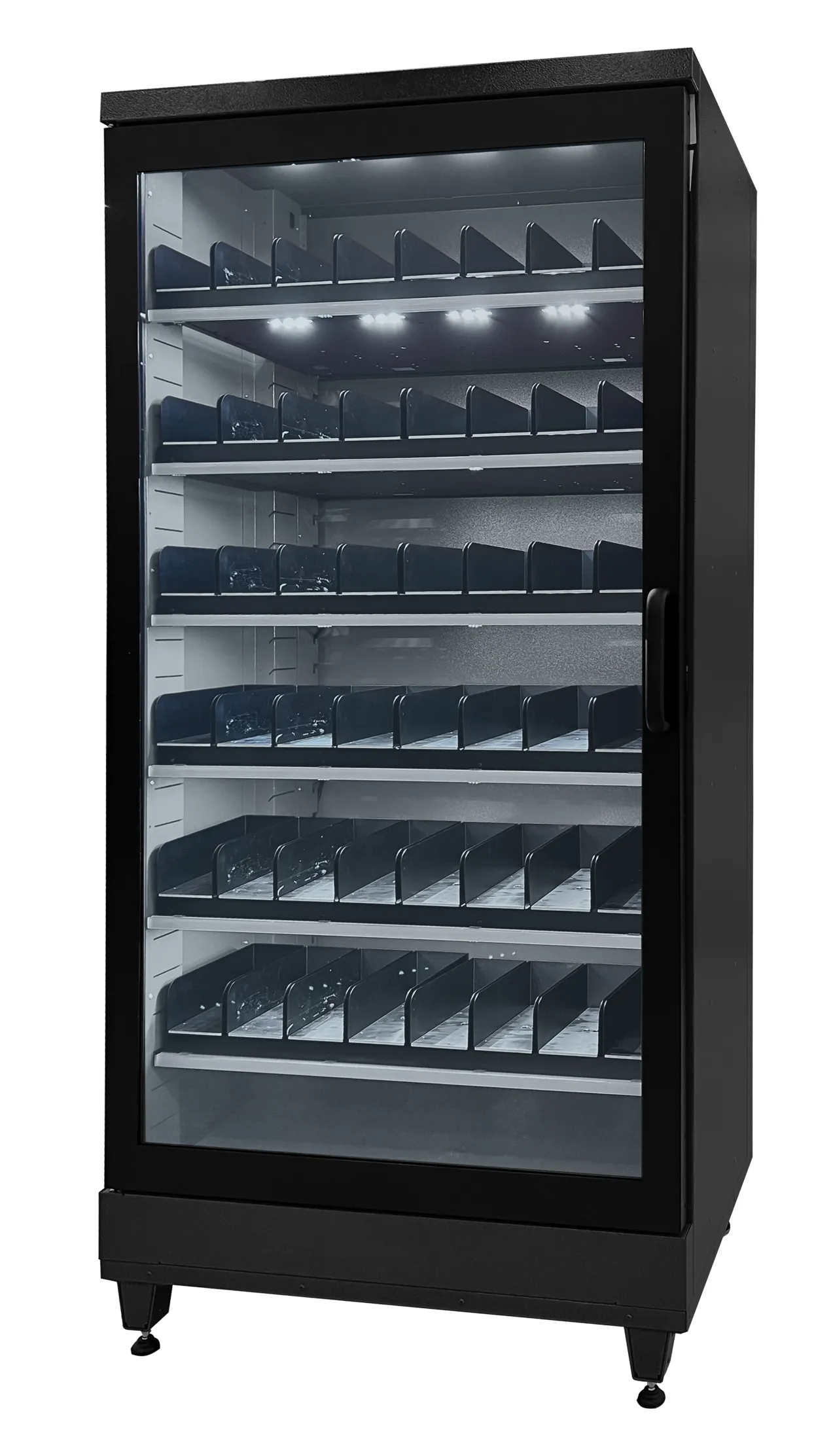 Tool control
Smart cabinets vs traditional storage in manufacturing
The manufacturing-specific version of this comparison, from the shop floor.
Read more →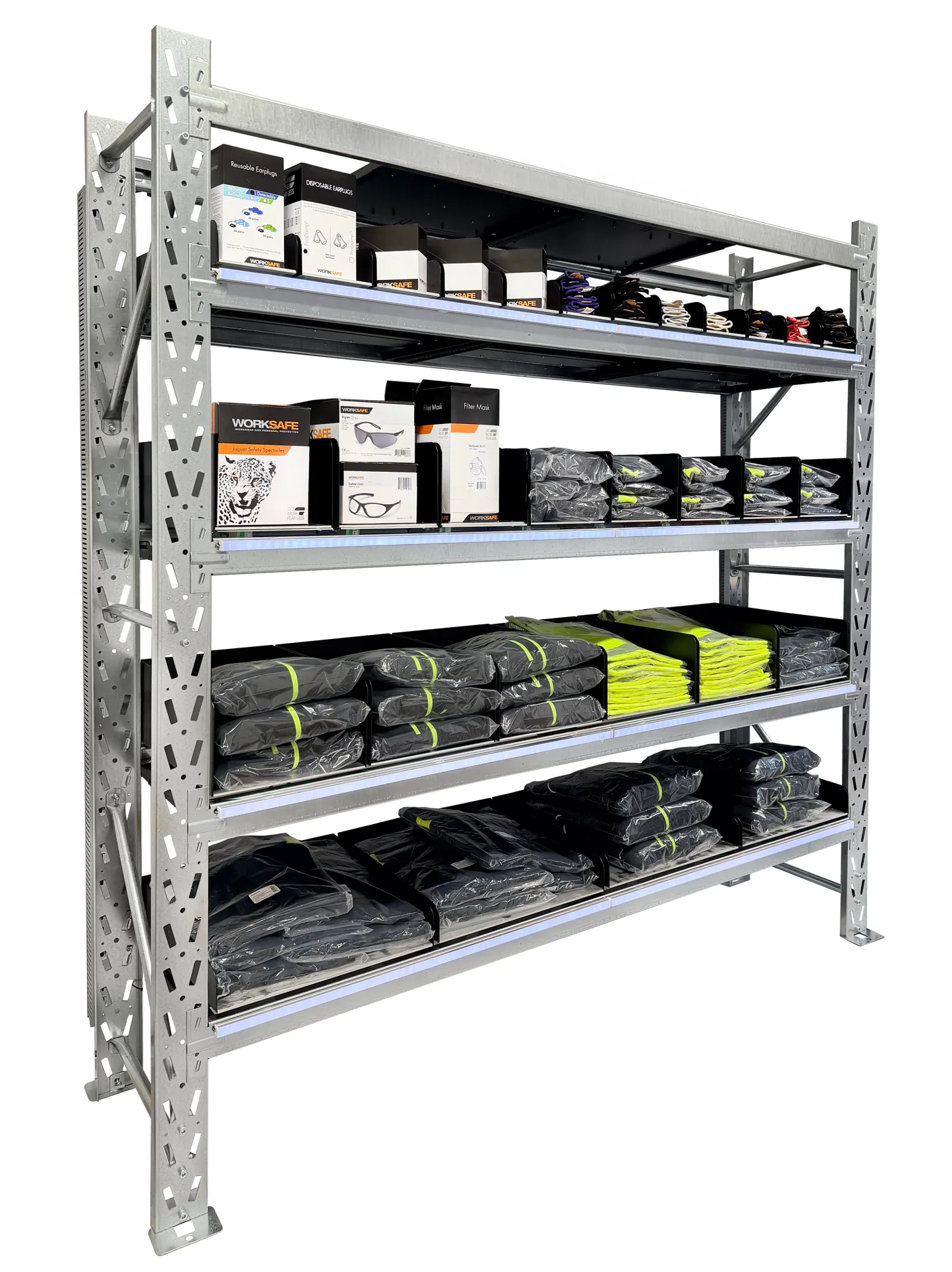 Tool control
Lost tools, lost time, lost money in manufacturing
How smart cabinets and automated tracking eliminate tool loss and improve shop-floor accountability.
Read more →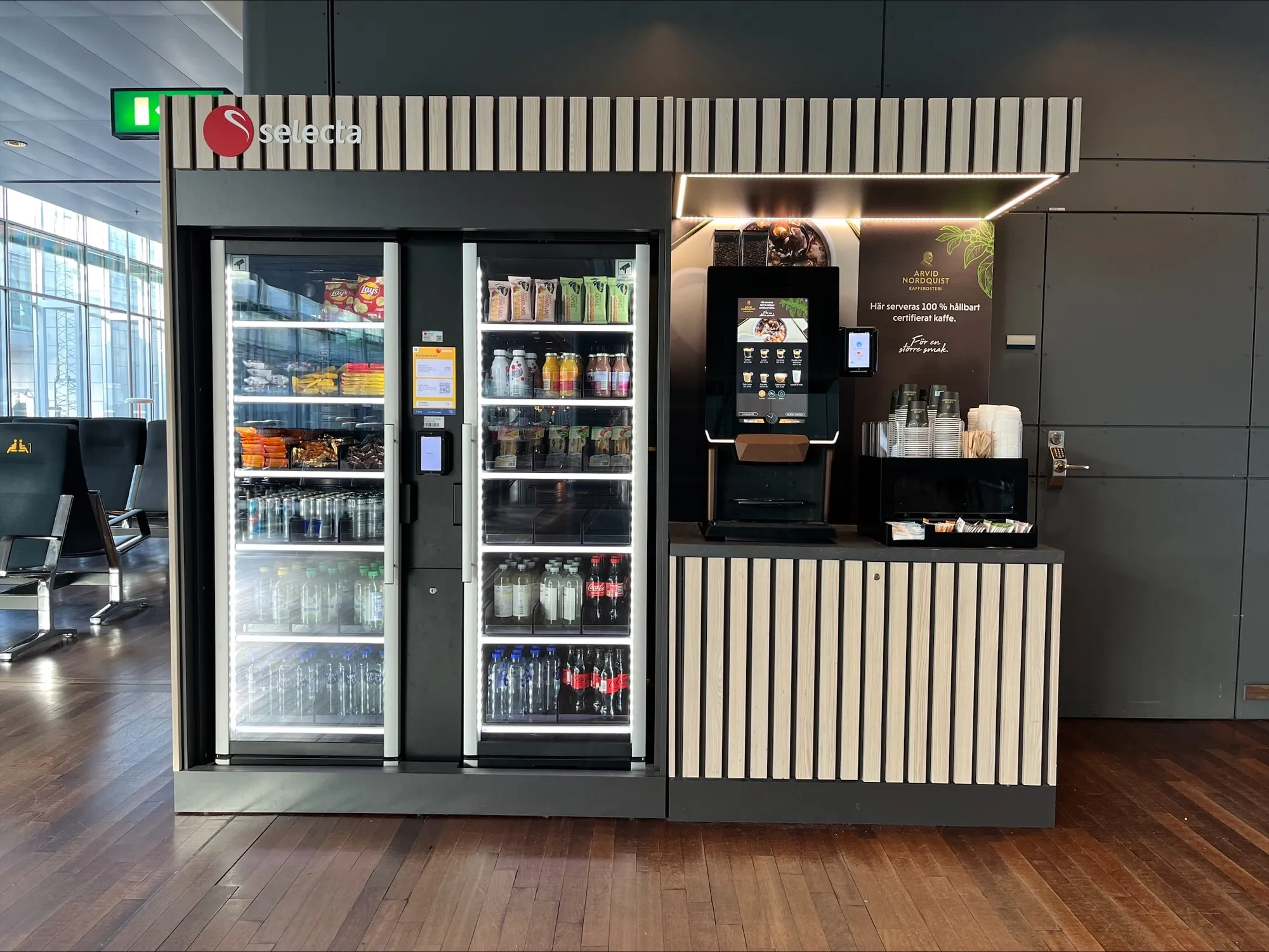 Cornerstone guide
What are smart industrial inventory systems?
A complete guide to the hardware, software, and integrations that power modern supply automation.
Read more →Stay informed
Get the latest on inventory automation, supply chain strategy, and workplace efficiency.
Ready to automate your physical supply?
Let’s discuss your operational challenges.