
The intelligent layer for physical supply
How connected hardware and software eliminate inventory blind spots across distributed operations.

Distributed operations have digitised almost everything except the physical items they run on. Orders, forecasts, and finances move through connected systems in real time, while tools, supplies, food, and parts sit in storage that reports nothing. The result is a permanent blind spot between the system of record and the shelf, and every operational surprise, from stockouts to shrinkage to failed audits, lives inside it. This paper describes the intelligent layer that closes the gap: connected hardware that senses every transaction, software that turns those transactions into live inventory, and integrations that feed the truth back into the systems organisations already run. It draws on two decades of Instant Systems engineering and deployments spanning more than 5,900 points of sale, over 2 million monthly transactions, and more than 700,000 users.
What do we mean by physical supply?
Physical supply includes all the physical items organisations rely on to keep operations moving: tools and PPE, food and beverages, spare parts, medical supplies, electronics, and industrial consumables. Automating these supply flows creates visibility, accountability, and operational efficiency across the entire organisation.
Why now?
Four forces are pulling supply toward automation, and none of them is temporary. Skilled operational labour is scarcer and more expensive, and manual counting is the first task it should stop doing. Operations run 24/7 across locations, but manual supply management only works during a shift. Shrinkage, stockouts, and slow audits quietly compound into real cost. And leadership now expects decisions made on live data, not yesterday's counts. Organisations that build the intelligent layer now are building the data foundation their next decade of operations will run on.
Managers stop asking what they have, and start asking what they should change.
The anatomy of a blind spot
Every distributed operation has the same gap, repeated at every site. The count is a snapshot: stock is known on the day it is counted and estimated every day after. Consumption is invisible: nobody measures how fast items actually leave, so replenishment follows calendars and guesses. Access is anonymous: items disappear without a record, not through bad intent but because no record exists.
Data is fragmented: purchasing knows what was ordered, finance knows what was paid, and nobody knows what is on the shelf. And all of it is multiplied by sites: each location repeats the gap, so the network's true position is unknowable at any moment. The operational symptoms, stockouts, shrinkage, emergency purchases, audit marathons, bloated safety stock, are all downstream of this one structural fact: the physical layer does not report.
The intelligent layer
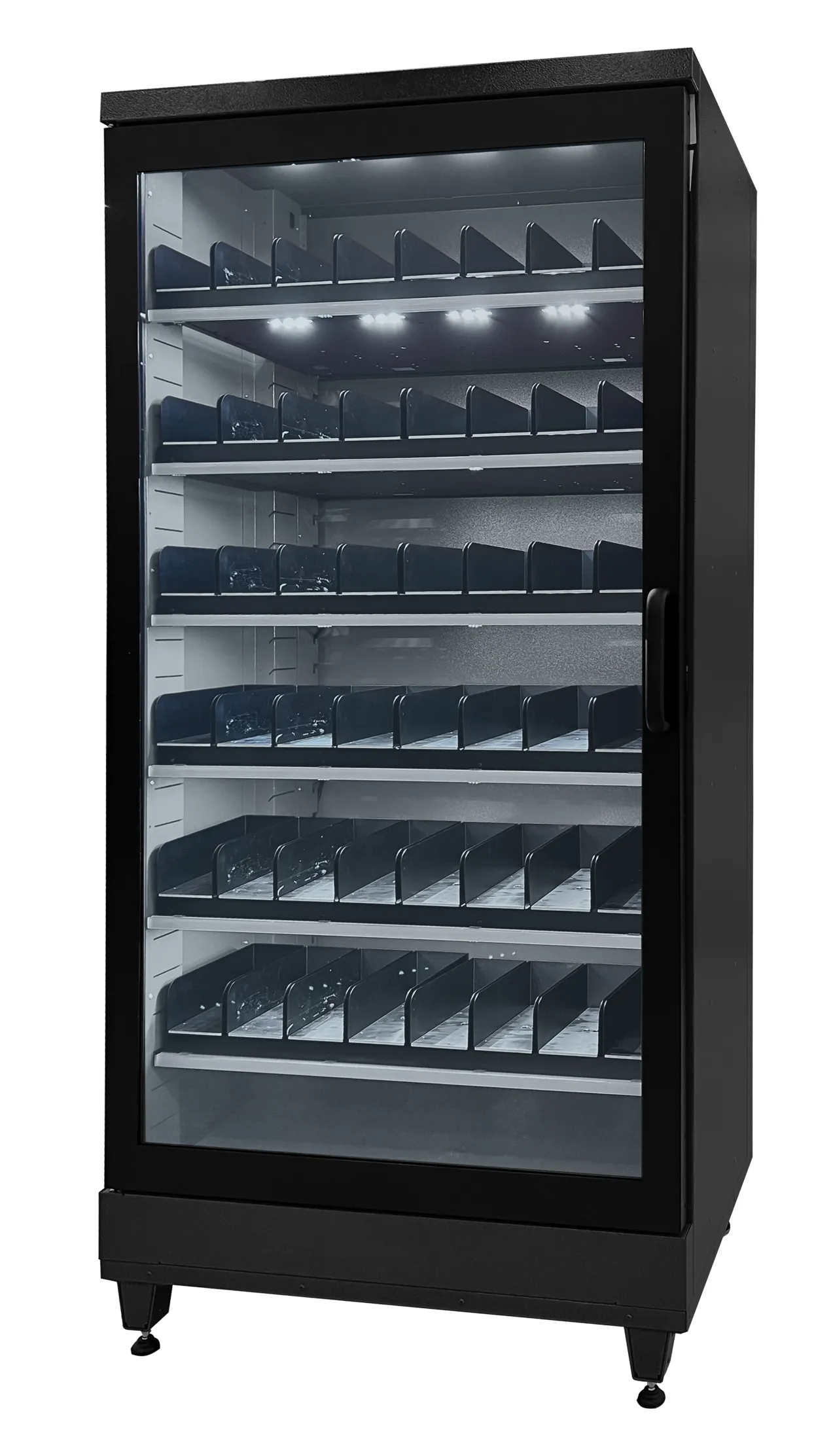
The solution is not another counting procedure. It is making the storage itself intelligent, in three connected tiers. Tier one is hardware that senses: storage becomes the sensor. Weight Cell Technology detects every removal and return at item level, in real time, with no scanning and no process change for the user, and access control ties each transaction to a person. The hardware is chosen per supply flow, not per catalogue: Smart Cabinets for secure tools and calibrated equipment, Smart Coolers for fresh food and beverages, Smart Freezers for frozen products, Open Shelf for industrial consumables, Pallet Scale for bulk materials, Key Management for keys and controlled assets, and Automated Stores for autonomous retail.
Tier two is software that understands. Every device connects to Instant Cockpit, the management platform: live stock across every site, user rights, pricing, replenishment rules, reporting, diagnostics. ISSA, the Instant Systems Smart Agent, sits on top of the data and answers operational questions directly. The blind spot becomes a dashboard. Tier three is integration that closes the loop. Live inventory flows into ERP, WMS, and procurement; withdrawals post automatically, minimum levels trigger replenishment, and finance, purchasing, and operations finally share one truth. This is the tier that separates a platform from a gadget: intelligence bolted on stays isolated; intelligence built in becomes infrastructure.
The physical supply flow
The layer turns supply into a continuous, measurable loop: people need products, automated access grants them, real-time tracking records the transaction, live inventory updates, and data and AI drive continuous optimisation. Each pass around the loop sharpens the next: par levels correct themselves, assortments follow measured demand, and replenishment happens before the shelf runs empty.
Guide: What are smart industrial inventory systems?
The complete guide to the technology behind the intelligent layer: formats, architecture, and how to evaluate a platform.
What eliminating the blind spot is worth
Deployed operations typically realise inventory accuracy held continuously rather than on audit day, substantially less manual inventory labour as counting and reconciling fall away, far faster audit and compliance cycles because the system is the record, fewer stockouts and emergency purchases, reduced shrinkage through accountability by design, and lower working capital as safety stock built on uncertainty shrinks safely. Beyond the measurable returns, the layer changes how the operation is run: managers stop asking what they have and start asking what they should change.
Designed in, not bolted on
Retrofitting sensors onto legacy storage produces data without a system: another silo, another integration project, another dashboard nobody trusts. The intelligent layer works because it is engineered as one system from the device up: hardware designed to sense, software designed for the hardware, and integrations designed for both. That is what two decades of building this category have taught us, and it is why the platform, not any single unit, is the product. Organisations that build the intelligent layer gain real-time visibility, accountability, and operational control across every location. Inventory automation is only the starting point; physical supply automation is the next stage of operational excellence.
Key takeaways
Related articles
 Whitepaper
The ROI of real-time inventory visibility
How reducing shrink, stockouts, and audit time compounds into measurable financial impact across sites.
Read more →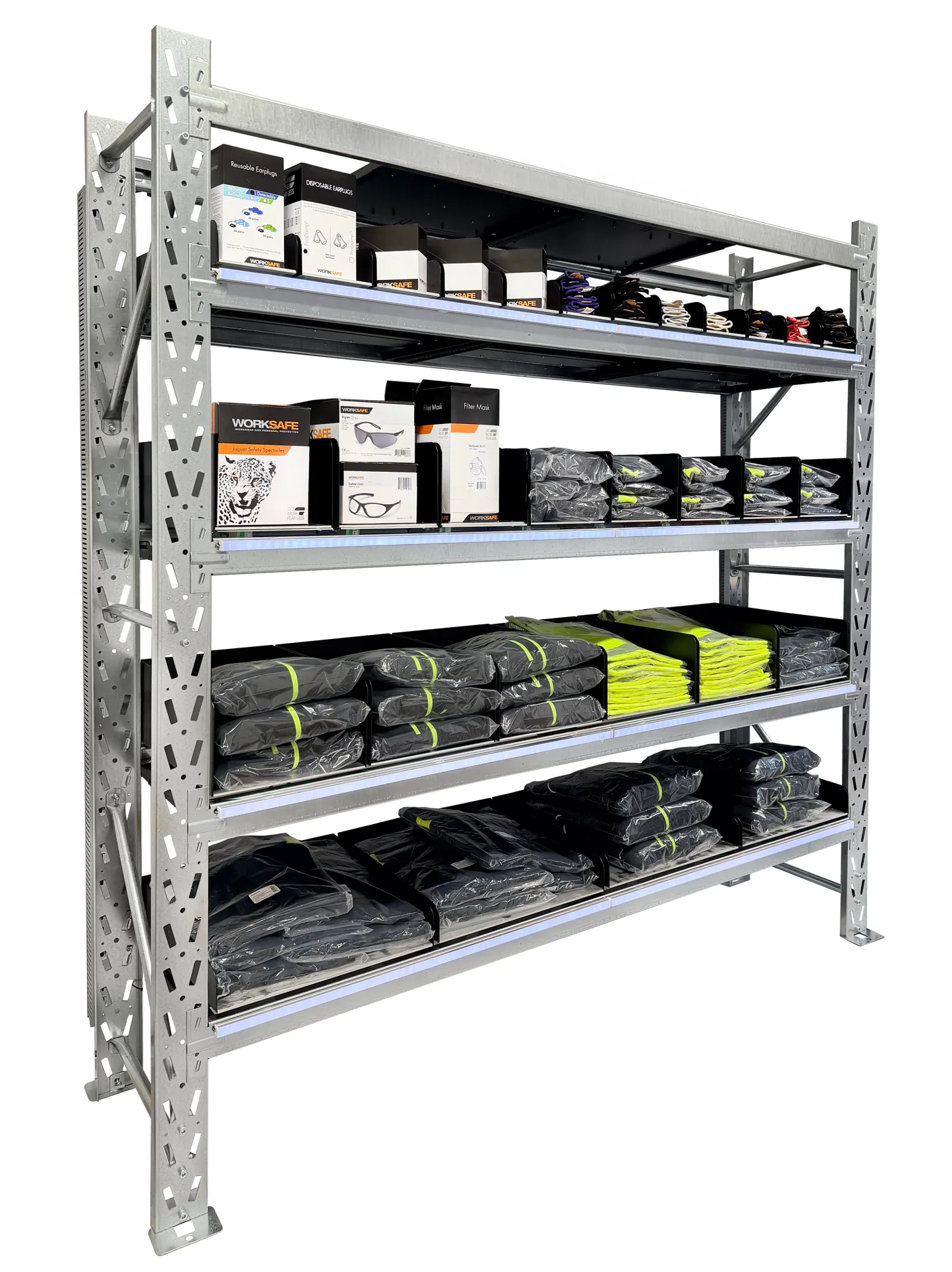 Whitepaper
Scaling supply automation
Why multi-site ROI is a platform property, and how to scale physical supply automation from the first site to the whole estate.
Read more →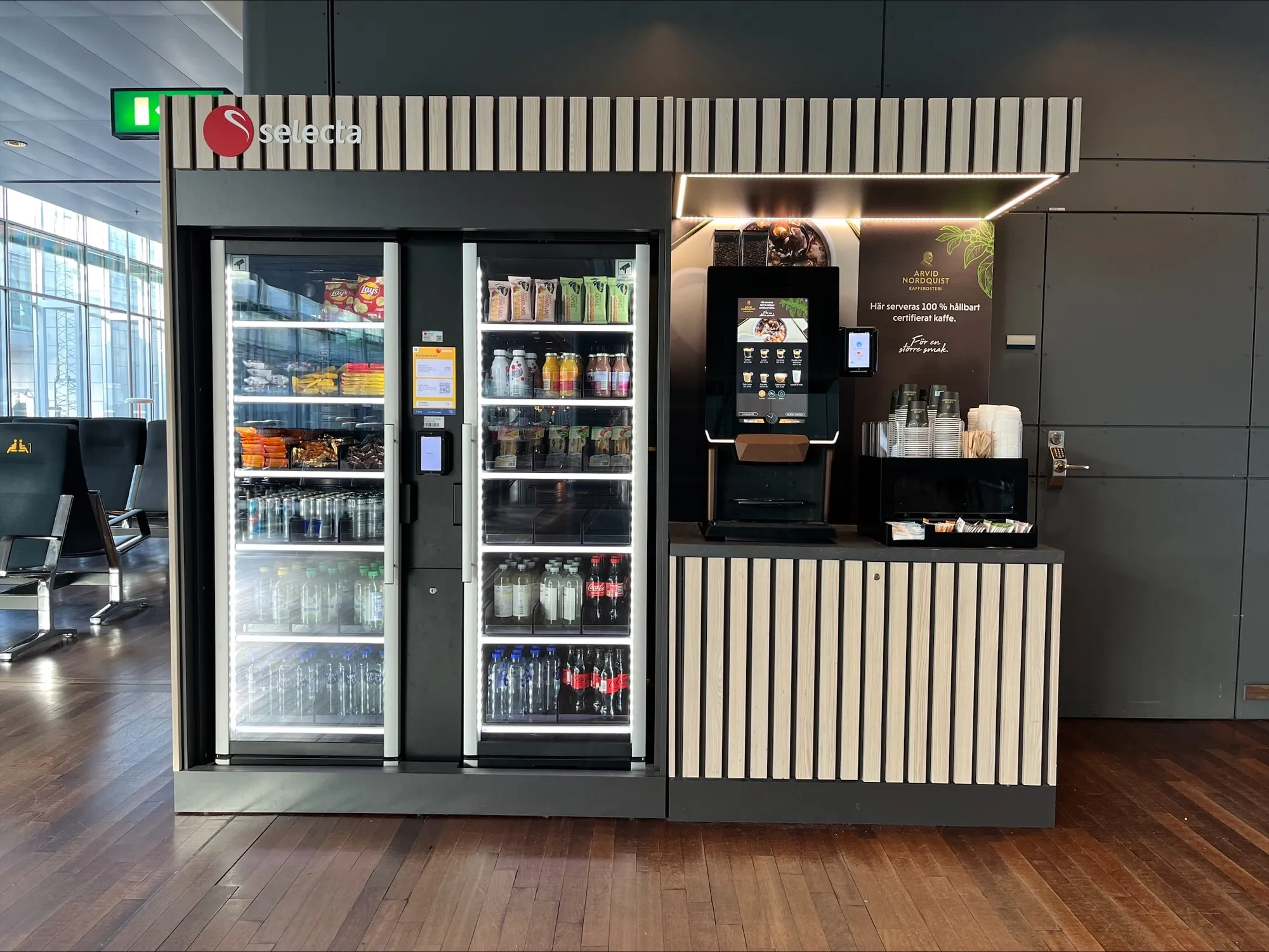 Blog
BlogFuture-proofing industrial supply chains with IoT
How connected devices turn industrial supply chains into self-reporting, self-correcting systems.
Read more →Stay informed
Get the latest on inventory automation, supply chain strategy, and workplace efficiency.
Ready to automate your physical supply?
Let’s discuss your operational challenges.