
The ROI of real-time inventory visibility
How reducing shrink, stockouts, and audit time compounds into measurable financial impact across sites.
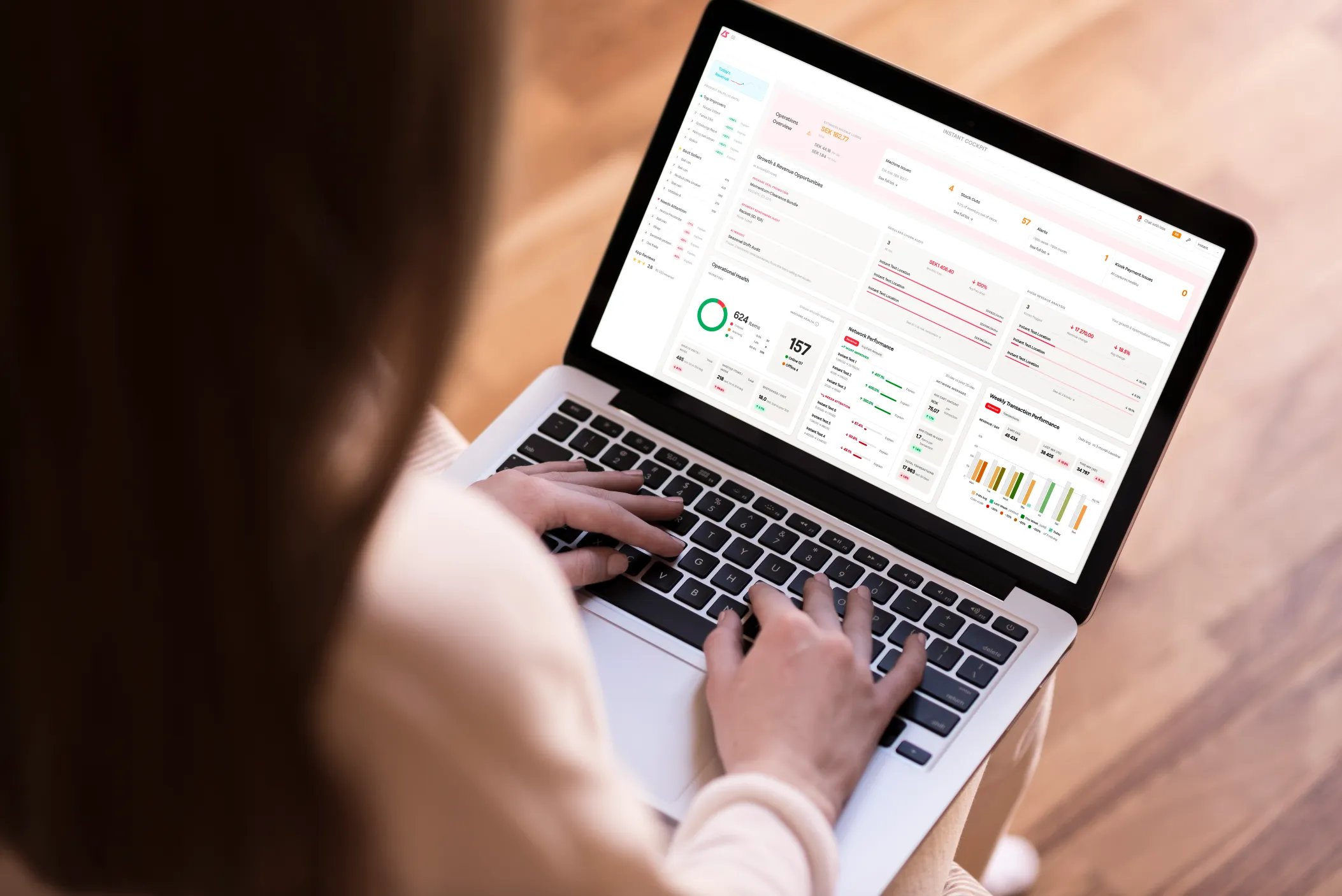
Real-time inventory visibility is usually sold as a technology upgrade. It is better understood as a financial instrument: it converts unknowns that cost money continuously, shrinkage, stockouts, audit labour, idle working capital, into measured, managed lines. This paper builds the business case for Physical Supply Automation from those four return streams, shows how they compound across multiple sites, and provides a worked example to adapt to your own operation.
What do we mean by physical supply?
Physical supply includes all the physical items organisations rely on to keep operations moving: tools and PPE, food and beverages, spare parts, medical supplies, electronics, and industrial consumables. Automating these supply flows creates visibility, accountability, and operational efficiency across the entire organisation. The ROI of that automation is the subject of this paper.
Why now?
Labour costs rise while counting stock remains a manual job. Supply volatility punishes organisations that discover their own stock position at month-end. Boards expect accountability per transaction, not per audit. And every AI ambition in operations depends on data that clipboards cannot produce. The cost of staying manual is no longer flat; it is compounding.
The cost of staying manual is no longer flat; it is compounding.
The four return streams
First, shrinkage becomes measurable, then manageable. Without item-level tracking, shrinkage is a month-end estimate spread across causes nobody can separate. With Weight Cell Technology and access control, every removal has a record and most have a name; in typical deployments, shrinkage falls significantly within the first quarters, and the mechanism is attribution, not enforcement. Second, stockouts stop taxing revenue and schedules. Every stockout is either lost revenue or stopped work. Live counts plus automatic replenishment triggers typically cut stockouts sharply and drive critical-item stockouts towards zero with enforced minimums, a saving that includes the premiums: emergency freight, spot purchases, and overtime recovery.
Third, labour moves from counting to value. Counting, reconciling, and audit ceremonies are pure overhead once the shelf reports itself; in typical deployments, counting and replenishment labour falls substantially, and audit effort collapses from days to hours. Fourth, working capital comes off the shelf. Uncertainty is expensive: safety stock exists because nobody trusts the numbers. Continuous accuracy lets par levels fall safely, releasing cash and space while availability improves, the pairing manual operations cannot achieve.
A worked example
Consider an illustrative 10-site operation. Shrinkage at €8,000 per site, reduced by 30 percent, returns €24,000 a year. Stockouts at two incidents per site per month, €400 fully loaded, halved, return €48,000. Counting and planning labour at six hours per site per week, €35 per hour, cut by 60 percent, returns roughly €65,500. Safety stock of €25,000 per site, trimmed by 25 percent at a 10 percent carrying cost, returns €6,250. The total annual return is approximately €143,750.
Set against that return: hardware per site, the platform subscription, one integration project, and installation. In this shape, labour and stockouts carry the case, shrinkage accelerates payback, and working capital is the quiet compounder. In this illustrative shape, payback lands within the first year; model it with your own figures.
Why the streams compound
The four streams are one data loop. Attribution reduces shrinkage, which makes true consumption visible, which sharpens replenishment, which brings stockouts and safety stock down together, while freed labour manages by exception through Instant Cockpit, with ISSA answering from live data. Single-purpose fixes capture one stream; the platform captures the loop. And because every format, Smart Cabinet, Smart Cooler, Open Shelf, Pallet Scale, Automated Store, feeds the same platform, each additional site raises the return on the integration already built.
Article: The ROI of smart inventory systems in retail operations
See how the same four return streams play out in retail, from shrinkage and availability to labour and working capital.
Conclusion
Organisations typically achieve higher inventory accuracy, fewer stockouts, lower replenishment costs, reduced shrinkage, better user accountability, higher operational efficiency, and scalable management across locations, with the platform improving after installation through analytics and software updates rather than depreciating toward replacement. Physical supply is becoming as connected and intelligent as digital workflows. Inventory automation is only the starting point; physical supply automation is the next stage of operational excellence, and its business case is already sitting in your shrinkage, stockout, and audit numbers.
Key takeaways
Related articles
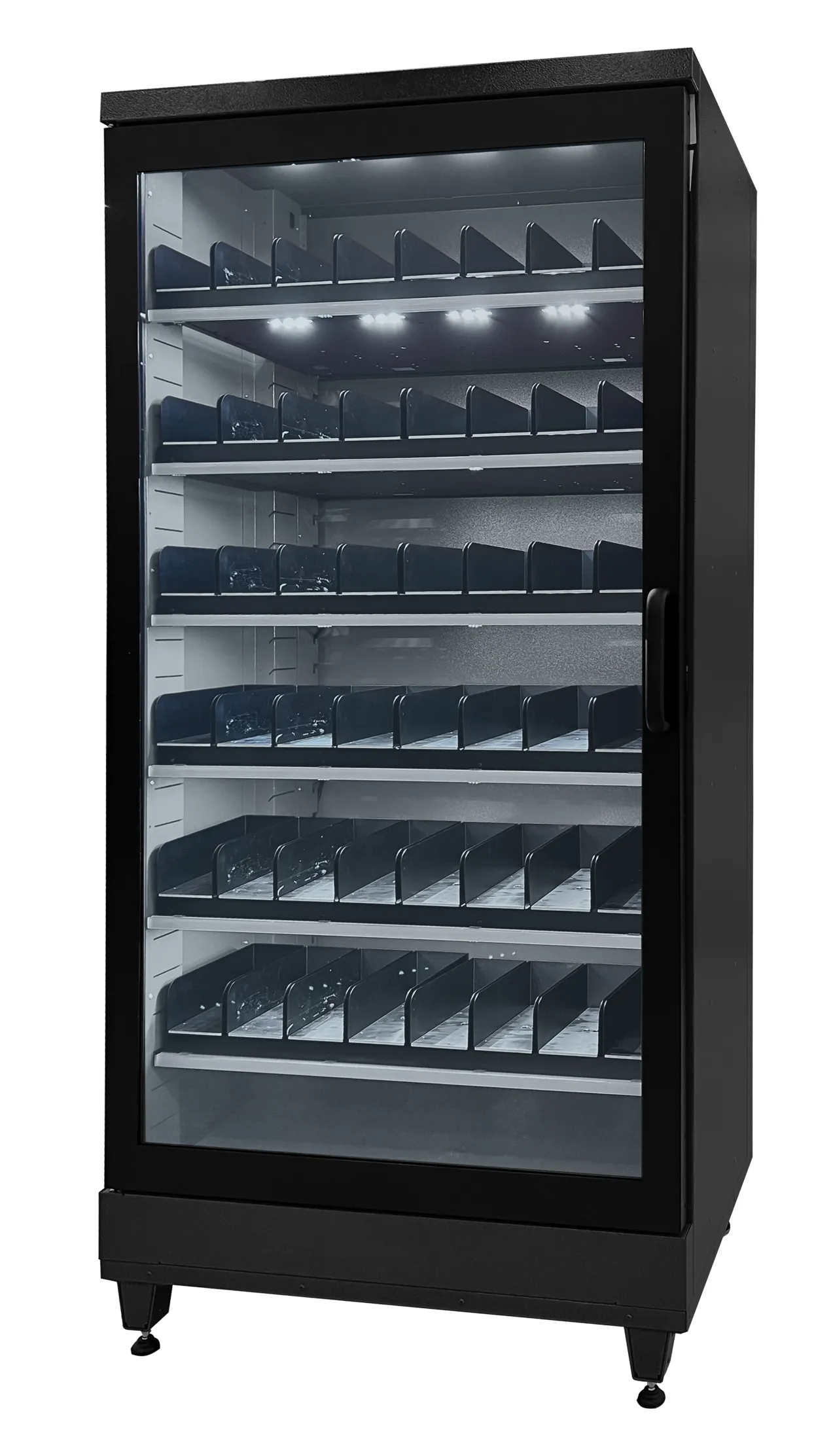 Whitepaper
Scaling supply automation
Why multi-site ROI is a platform property, and how to scale physical supply automation from the first site to the whole estate.
Read more →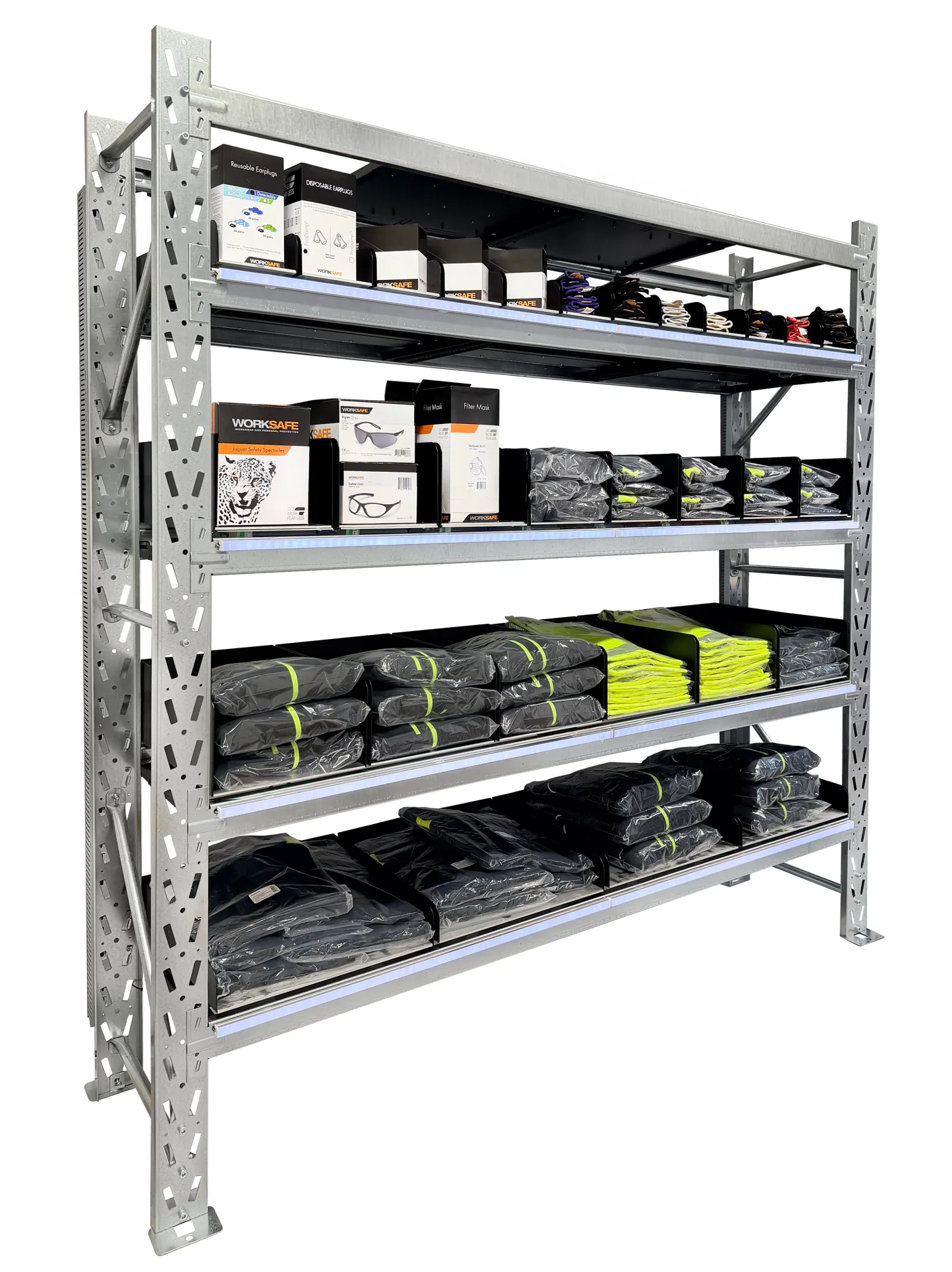 Whitepaper
Integrating smart cabinets in lean manufacturing
Where point-of-use storage fits in a lean system, and what connected cabinets remove from the value stream.
Read more →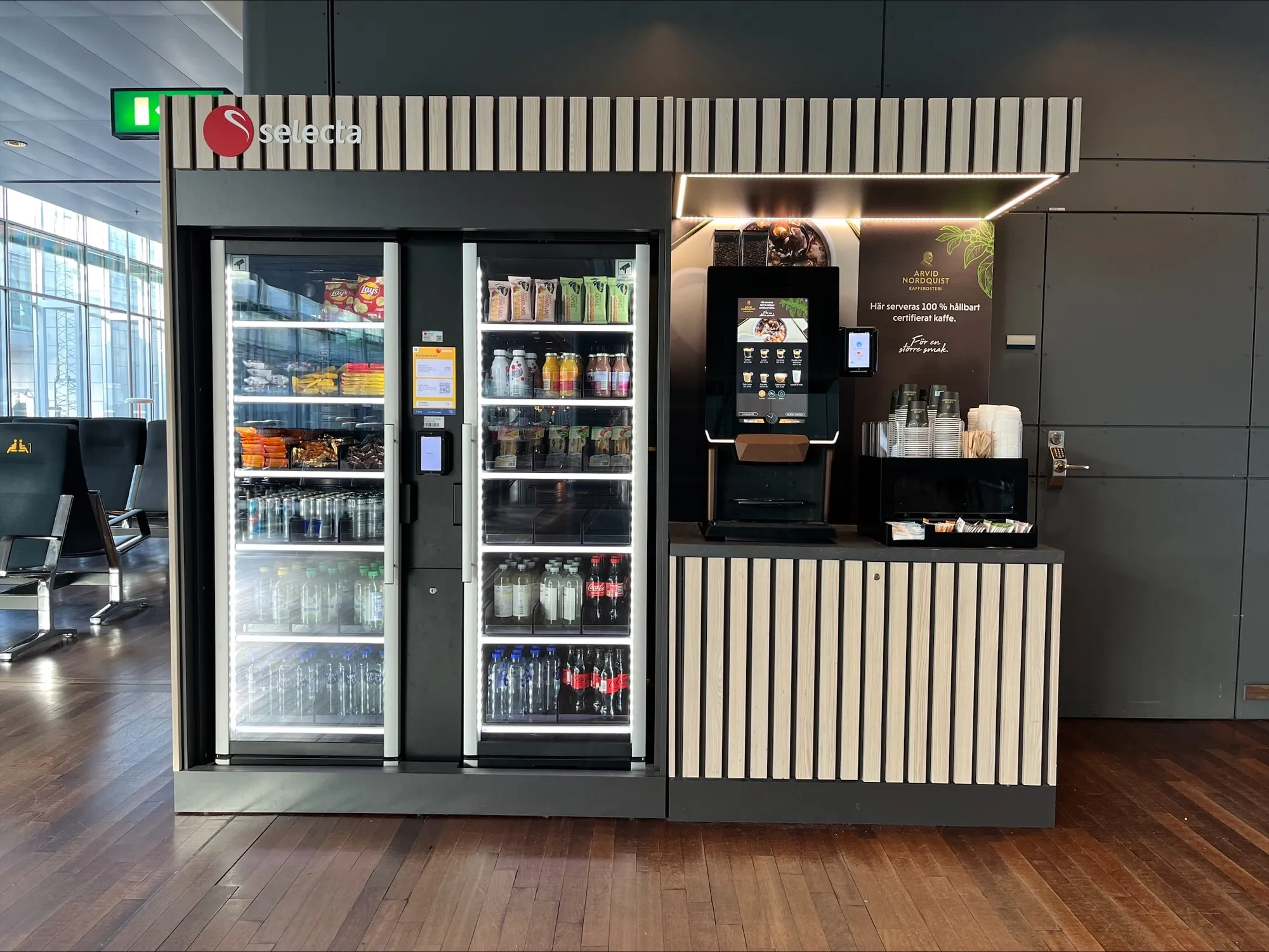 Blog
BlogThe ROI of smart inventory systems in retail operations
How retail operations turn live stock data into margin, availability, and labour savings.
Read more →Stay informed
Get the latest on inventory automation, supply chain strategy, and workplace efficiency.
Ready to automate your physical supply?
Let’s discuss your operational challenges.