
Future-proofing industrial supply chains with IoT
How connected sensors and real-time data give operations leaders end-to-end visibility across every site.

Industrial supply chains have digitised their paperwork and left their shelves analogue. Orders, invoices, and forecasts move through connected systems in milliseconds, while the physical items those systems describe are still counted by hand, on a schedule, with a clipboard. IoT closes that last gap, and operations that close it first gain a structural advantage.
The visibility gap
End-to-end visibility usually ends at the warehouse door. Inside the building, between goods-in and point of use, items enter a blind zone: consumption is estimated, location is assumed, loss is discovered at audit. Every downstream system, ERP, planning, procurement, then runs on data that is already stale.
What IoT changes at the shelf
Connected sensing makes the storage itself report. Weight Cell Technology detects every removal and return at item level, in real time, without scanning or process change. Access control adds identity to every transaction.
Together, three properties emerge that no manual process can deliver: a live count, where the system number and the shelf agree continuously; a named transaction, where every movement has a person, a time, and a place; and a demand signal, with consumption rates measured, not estimated, per item and site.
The shelf is the last analogue node in a digital supply chain.
From data to resilience
Future-proofing is not about predicting disruption; it is about seeing your own position instantly when disruption hits. With live supply data across every site, replenishment triggers automatically at true minimum levels, shortages surface as early warnings instead of stopped work, working capital tied up in just-in-case stock shrinks safely, and audits, compliance records, and traceability become by-products of normal use, with AI assistance (in the Instant Systems ecosystem, ISSA) turning transaction volume into answers.
Sensors alone are not enough: the platform matters. Data from every supply point (cabinets, shelves, coolers, scales) must land in one place, Instant Cockpit, connect to ERP and procurement, and manage remotely, or the IoT layer just creates a new silo.
Where to begin
Instrument the blind zone that hurts most: the consumables that halt lines, the PPE point that runs dry, the tool crib with the highest losses. One connected supply point, measured for a quarter, demonstrates more than any strategy deck.
Whitepaper: The ROI of real-time inventory visibility
How reducing shrink, stockouts, and audit time compounds into measurable financial impact.
Key takeaways
Related articles
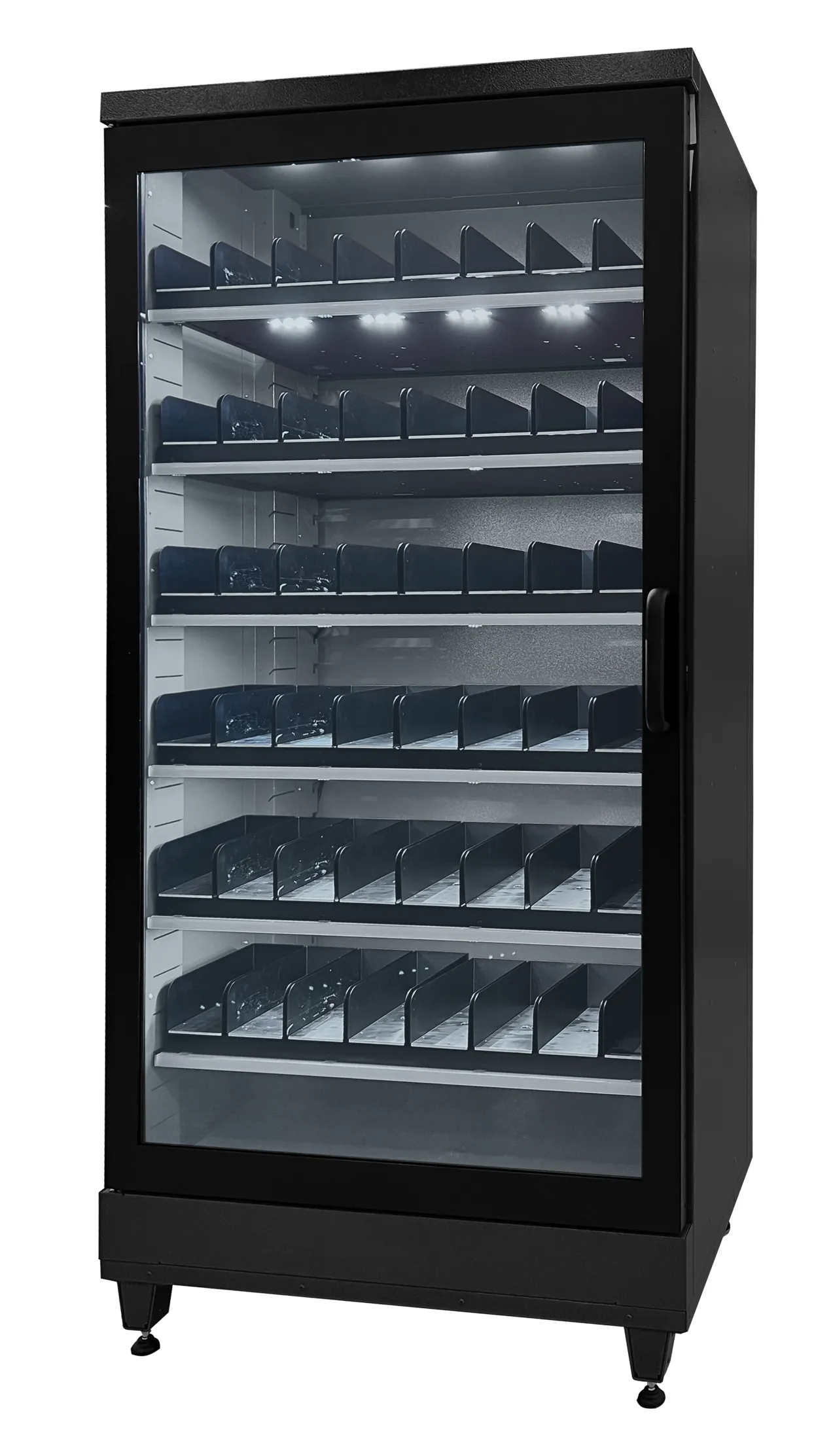 Logistics
The future of automated supply systems in logistics
Emerging trends in warehouse automation, real-time visibility, and autonomous inventory across distribution networks.
Read more →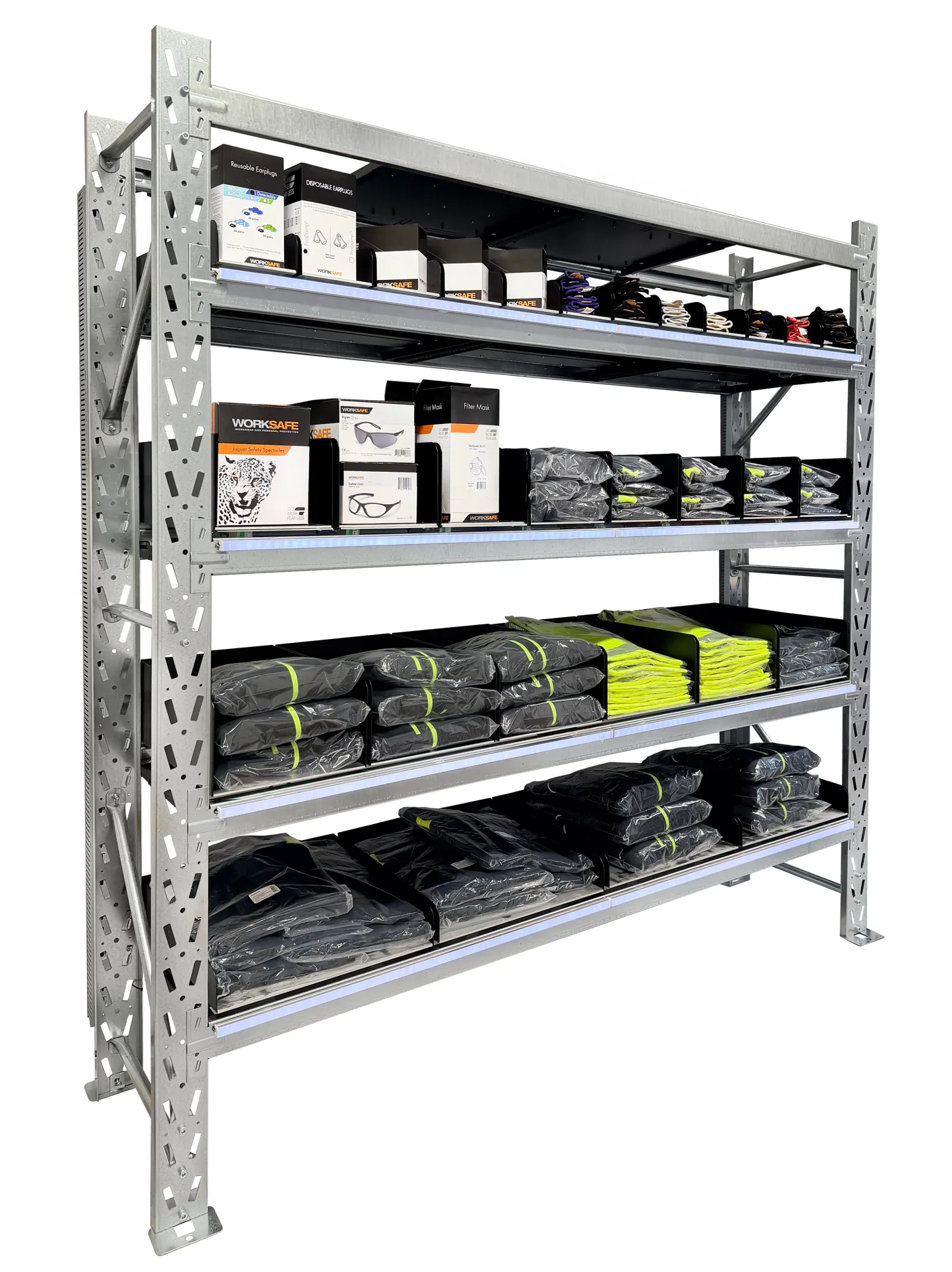 Supply automation
How unexpected stockouts disrupt production schedules
The root causes of supply chain failures and how real-time inventory systems prevent costly downtime.
Read more →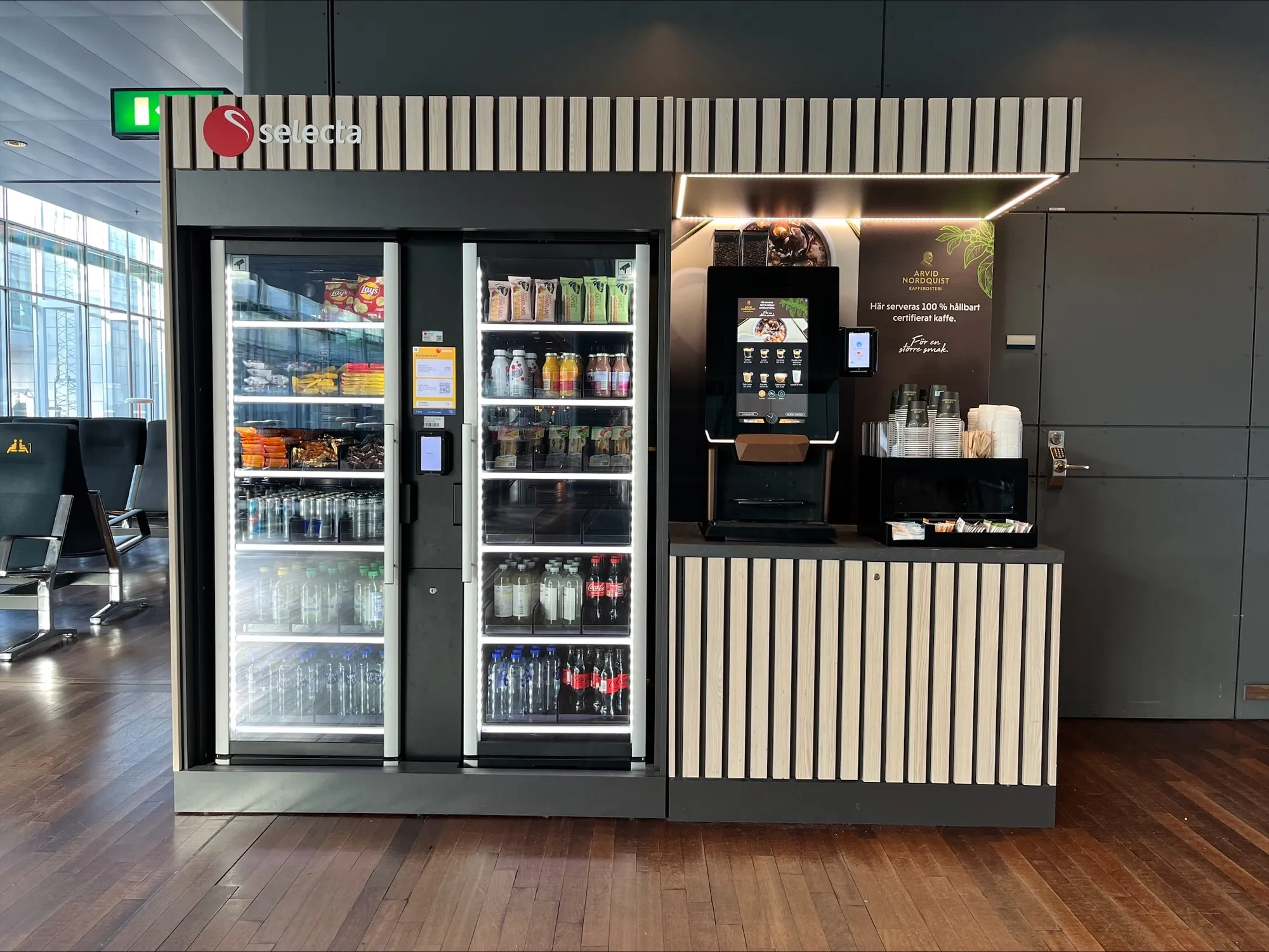 Cornerstone guide
What are smart industrial inventory systems?
A complete guide to the hardware, software, and integrations that power modern supply automation.
Read more →Stay informed
Get the latest on inventory automation, supply chain strategy, and workplace efficiency.
Ready to automate your physical supply?
Let’s discuss your operational challenges.