
Industry 4.0 and the future of supply chains
Why automation is becoming table stakes for operations leaders in manufacturing and logistics.

Industry 4.0 promised connected factories, and largely delivered them: sensored machines, digital twins, predictive maintenance, live production dashboards. Then the shift ends at the supply room door. The tools, PPE, consumables, and parts that keep those connected factories running are still managed with clipboards and cupboard keys. That gap is closing now, and operations leaders who close it first are converting it into a durable advantage.
Why supply is the next frontier
The first waves of Industry 4.0 automated what was easiest to instrument: machines that already had control systems. Physical supply was left for later because it seemed simple. It is not simple; it is distributed, human, and constant. Every shift, hundreds of small transactions move items from storage into work, and almost none of them generate data. In a plant where every spindle reports its vibration in real time, nobody knows how many cutting tools are left in the crib.
The consequence is familiar to any operations leader: world-class production data sitting next to supply guesswork. Downtime because a consumable ran out. Audit weekends. Shrinkage discovered at month-end. Safety stock bought as insurance against the organisation's own blindness.
Four forces making automation table stakes
The first force is labour scarcity. Skilled operational staff are harder to find and more expensive to retain; counting stock is the first task to automate away, not because people do it badly, but because people should not be doing it at all. The second is 24/7 expectations. Manufacturing and logistics run around the clock and across sites, so supply has to be available, accountable, and stocked at every hour. A storeroom that works only when its keeper is on shift is a bottleneck by design.
The third force is cost pressure. Shrinkage, stockouts, and slow audit cycles compound quietly into real cost, and automation converts those losses into measurable savings; industry benchmarks put the gains in material territory, with 47 percent less manual inventory labour and 3.2 times faster audit cycles. The fourth is data-driven operations. Leaders expect decisions on live data, and a supply chain that reports in real time upstream but goes dark inside the building is only half a supply chain.
The factories won the first decade of Industry 4.0. The next one belongs to everything around them.
What Industry 4.0 supply actually looks like
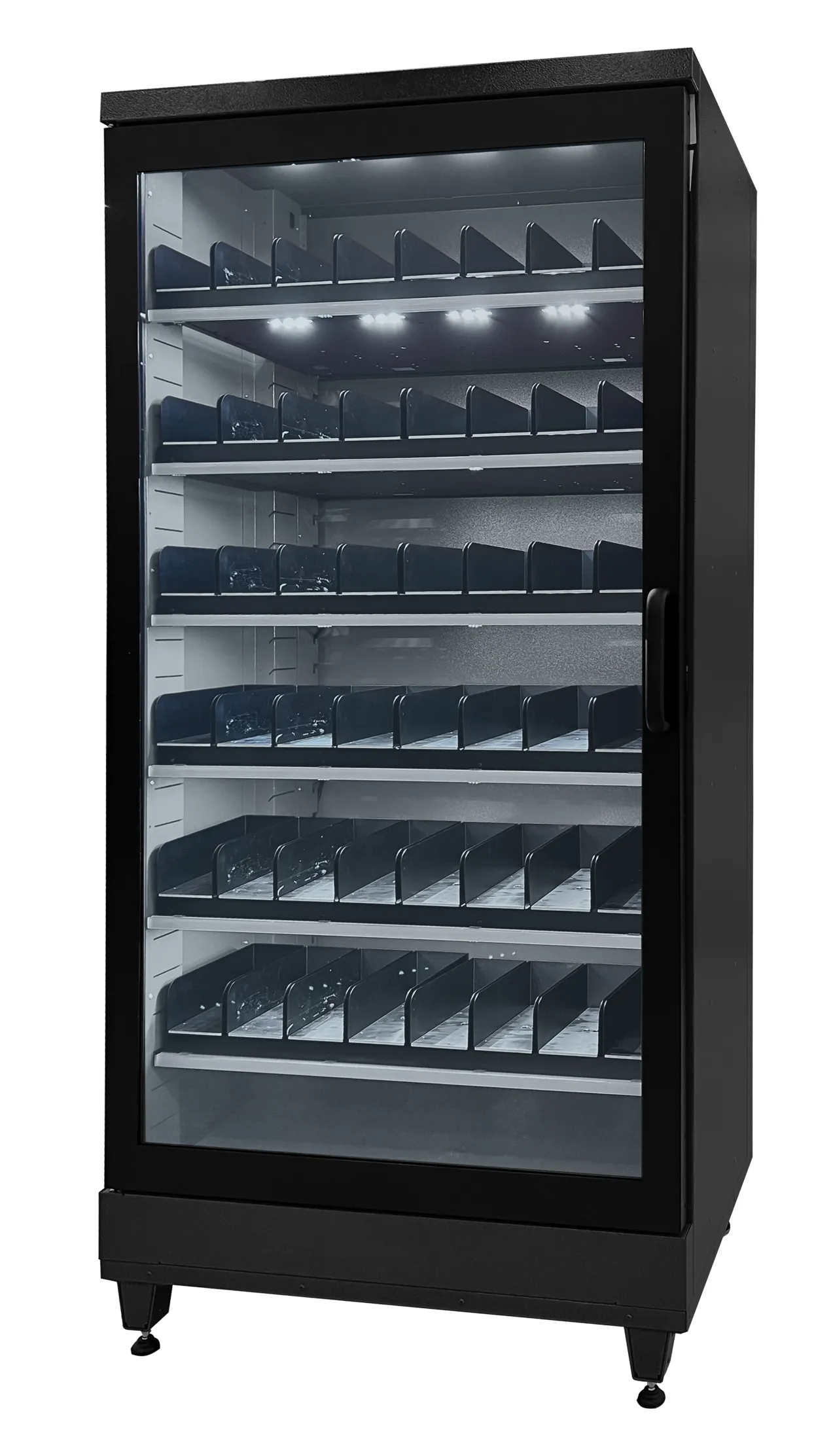
The pattern that works mirrors the rest of the connected factory: the asset itself reports. Smart Cabinets log every tool withdrawal to a person. Open Shelf and Pallet Scale turn consumables and bulk stock into live data through Weight Cell Technology. Smart Coolers keep distributed sites stocked and measured. Everything connects to one platform, Instant Cockpit, with AI assistance through ISSA, and the data flows into ERP, WMS, and procurement natively.
Three design principles separate systems that deliver from pilots that stall. Intelligence must be built in, not bolted on: sensors retrofitted onto legacy storage create silos, while storage designed to sense creates infrastructure. Integration is the real differentiator: automation only pays when it speaks to the systems the operation already runs. And autonomy compounds: each connected supply point improves the data, and each improvement widens the gap over operations still counting by hand.
The leader's checklist
For operations leaders planning the next budget cycle, the questions are practical: Where does supply friction cost us most today? Which supply points could report themselves within a quarter? Does our candidate platform integrate natively with ERP and procurement? And does it scale from one pilot to the whole network without new infrastructure? If the answers are known, automation stops being a technology decision and becomes a straightforward operational one. The factories won the first decade of Industry 4.0. The next one belongs to everything around them.
Whitepaper: The intelligent layer for physical supply
The full architecture behind Industry 4.0 supply: hardware that senses, software that understands, and integration that closes the loop.
Key takeaways
Related articles
 Whitepaper
The intelligent layer for physical supply
How connected hardware and software eliminate inventory blind spots across distributed operations.
Read more →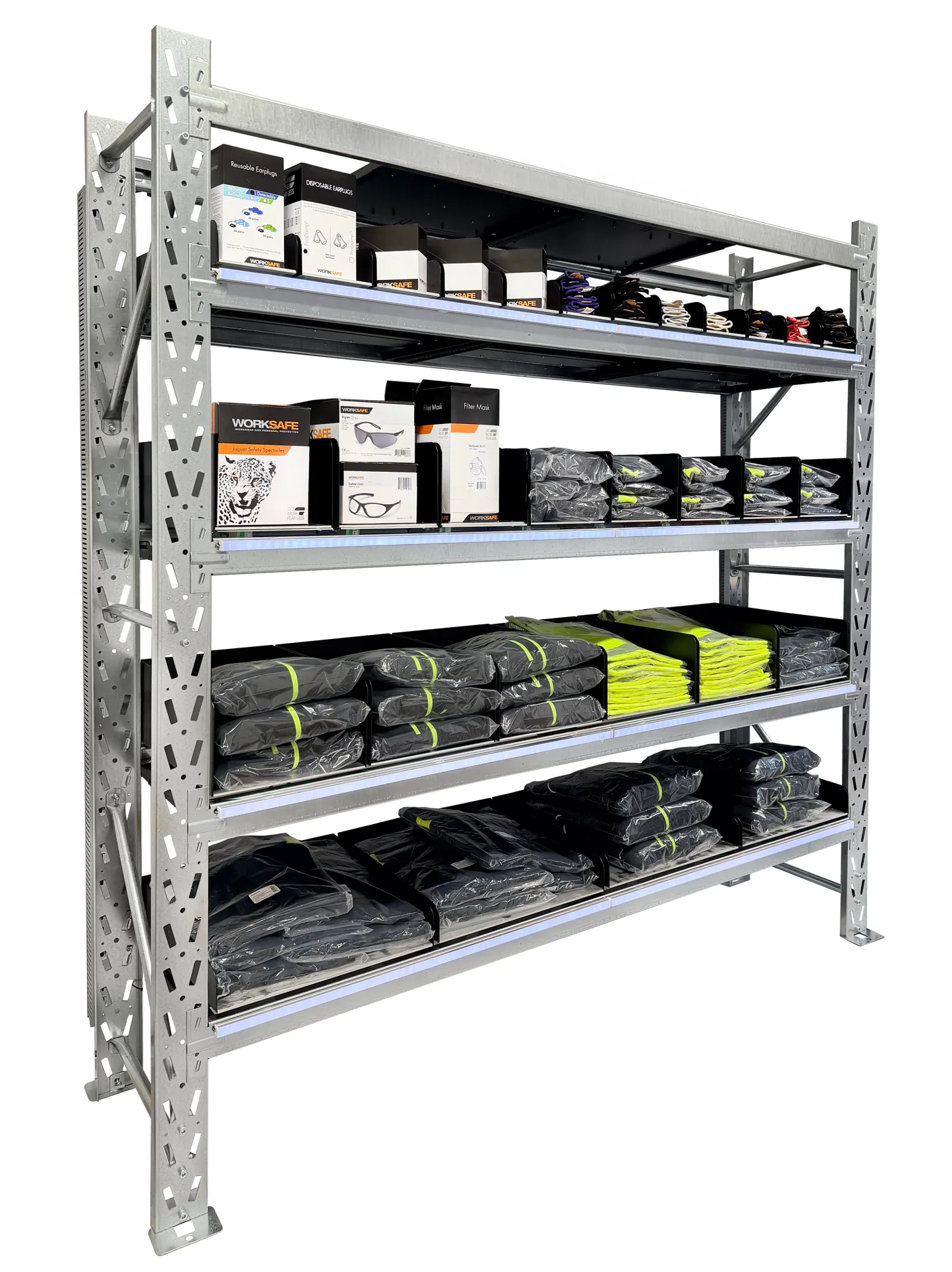 Whitepaper
Integrating smart cabinets in lean manufacturing
Where point-of-use storage fits in a lean system, and what connected cabinets remove from the value stream.
Read more →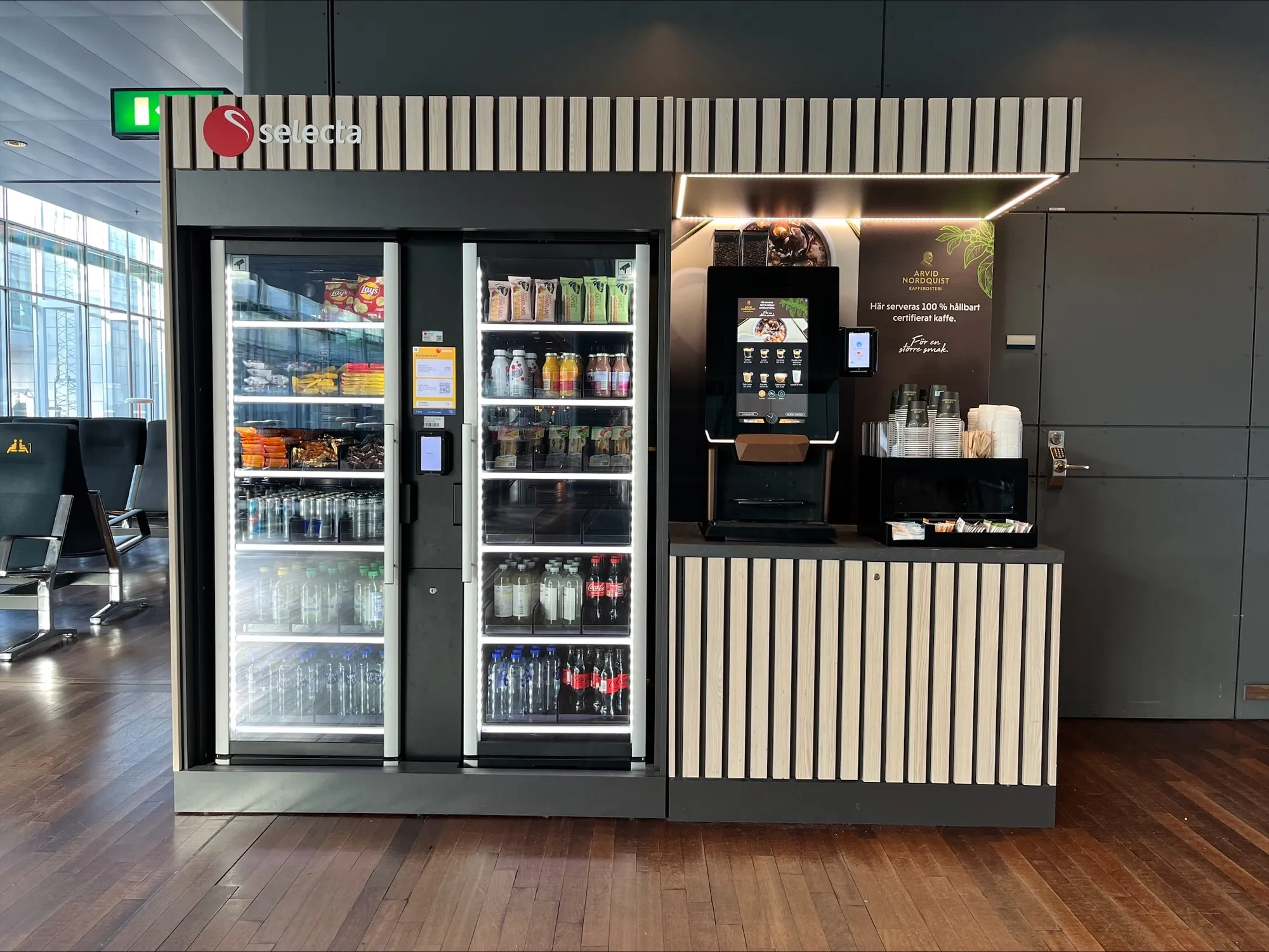 Blog
BlogFuture-proofing industrial supply chains with IoT
How connected devices turn industrial supply chains into self-reporting, self-correcting systems.
Read more →Stay informed
Get the latest on inventory automation, supply chain strategy, and workplace efficiency.
Ready to automate your physical supply?
Let’s discuss your operational challenges.