
How automated stores improve workplace productivity
Unattended, always-stocked supply points free teams from manual counts and procurement overhead.
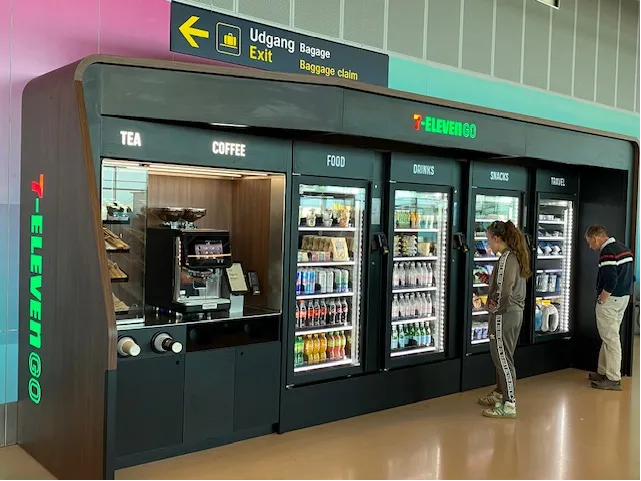
The case for automated stores is usually made in retail terms: trading hours, staffing, shrinkage. Inside a workplace, the stronger case is productivity: of the people the store serves and the teams that no longer run it.
The hidden cost of just popping out
When a site has no on-site supply, people leave to get what they need: lunch, a charger, safety glasses, a coffee worth drinking. Each trip is minutes; across a large site, a shift, a year, it is thousands of hours. When a site has a manually run supply point instead, the cost moves rather than disappears: someone stocks it, counts it, orders for it, and fields complaints when it runs dry.
Always stocked, never staffed
An automated store (connected Smart Coolers, cabinets, and shelves running as one unattended supply point) removes both costs at once. For employees: 24/7 availability at the point of need. Tap, take, go: the 1.22-second average transaction gap on the Instant Systems platform means no queue worth mentioning. Food for the night shift, IT peripherals without a ticket, PPE without a walk to the stores window.
For operations: real-time stock through Instant Cockpit, replenishment triggered by consumption, remote management, and no staffing line. The supply point runs itself; people visit it only to restock what the data says.
People stop managing supply, and supply starts managing itself.
Measured effects
Workplace deployments typically show the same pattern: manual counts and procurement overhead fall away, availability rises, and consumable spend typically drops because consumption finally becomes visible and self-service brings accountability. Employee satisfaction moves the same direction: availability beats reimbursement forms.
Productivity is the platform's by-product
The store format is one arrangement of the same physical supply platform: hardware tracking every item, one management layer, data driving replenishment. Whether it dispenses lunch, laptops, or PPE, the productivity gain has the same source: people stop managing supply, and supply starts managing itself.
Whitepaper: The ROI of real-time inventory visibility
How reducing shrink, stockouts, and audit time compounds into measurable financial impact.
Key takeaways
Related articles
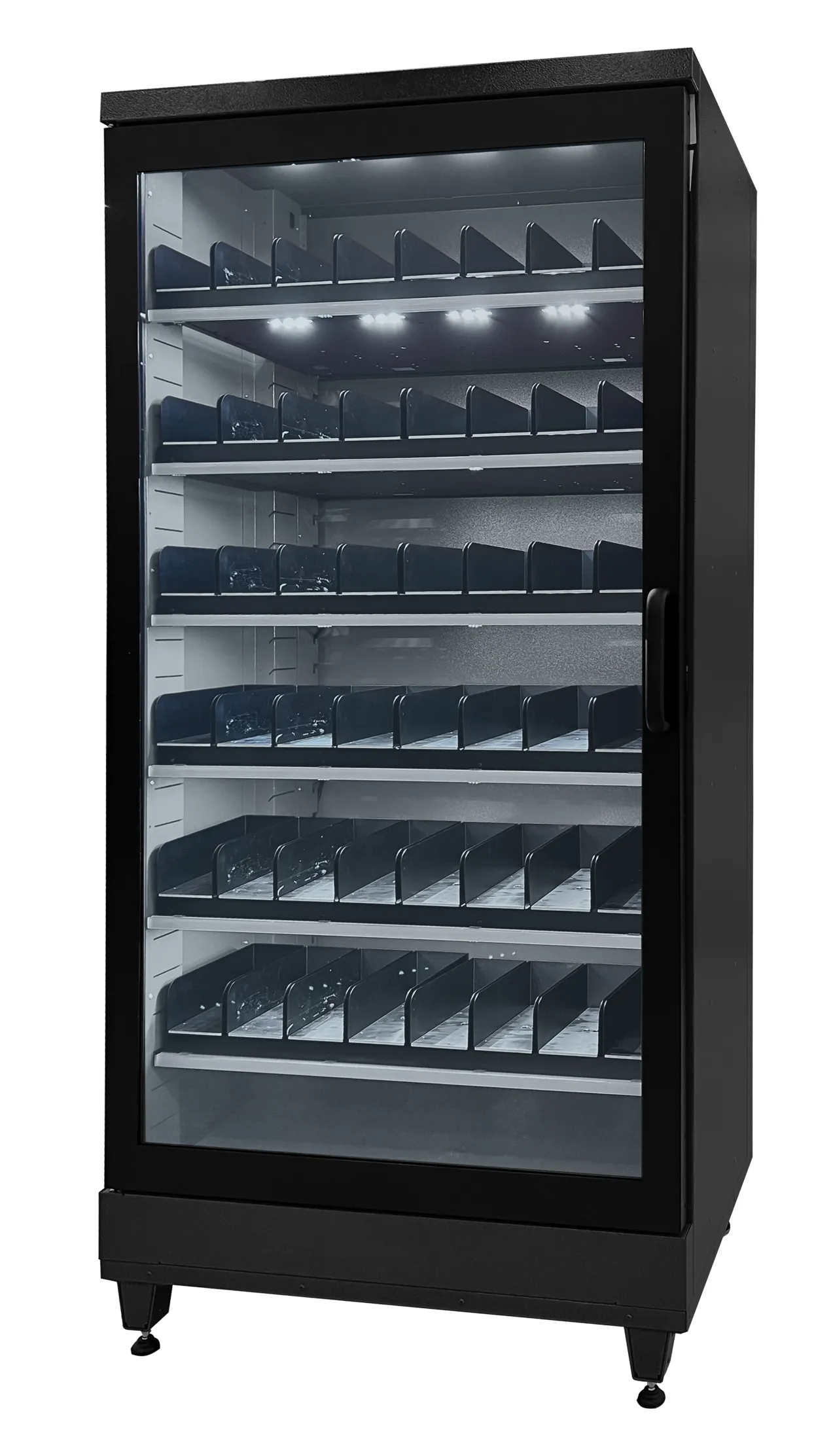 Workplace supply
Breakroom to profit centre: rethinking workplace refreshment
How connected coolers turn employee amenities into tracked, data-driven supply points.
Read more →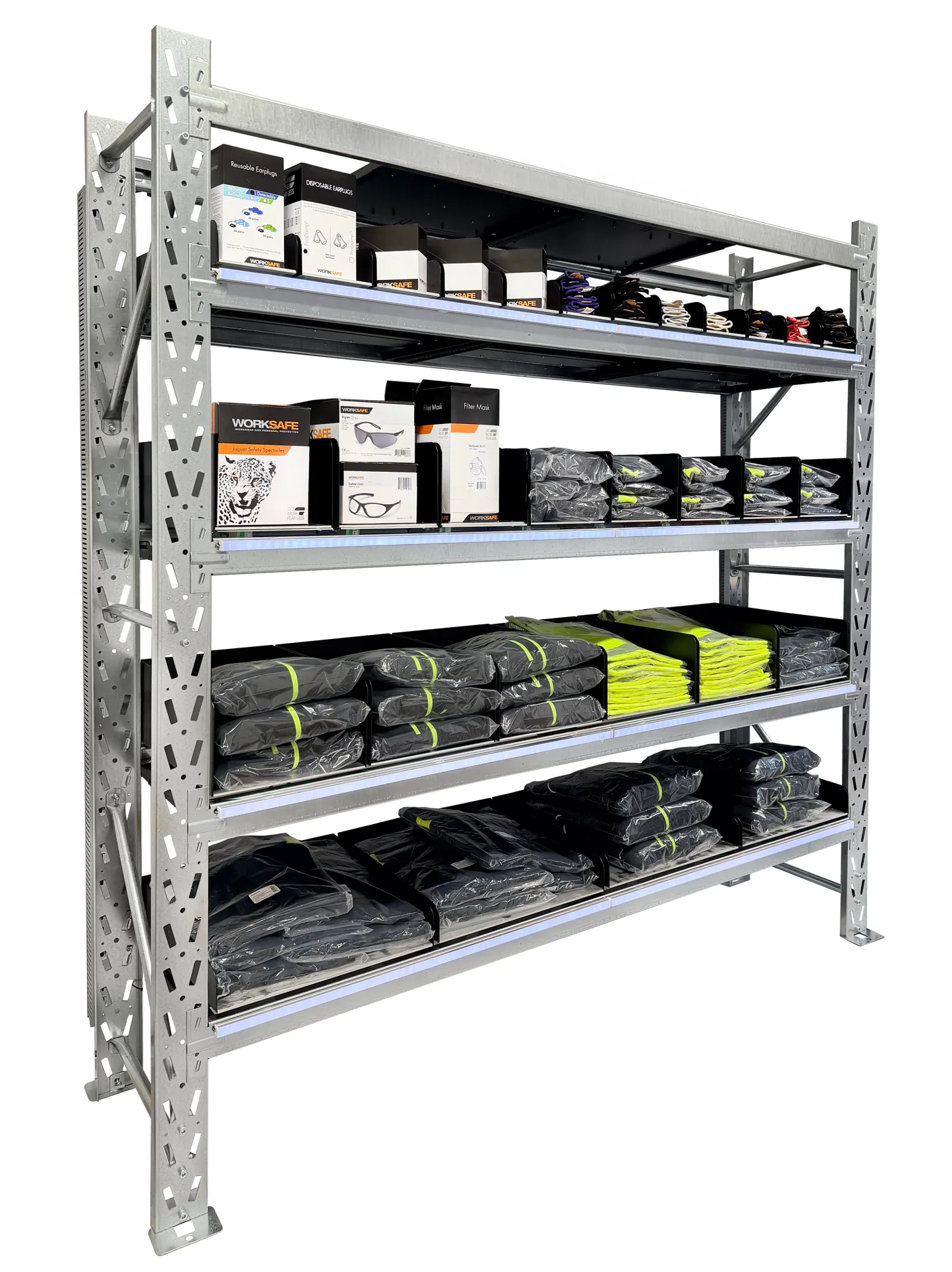 Workplace supply
Self-service supply systems reduce procurement overhead
How smart coolers and cabinets in workplace environments cut admin costs and improve satisfaction.
Read more →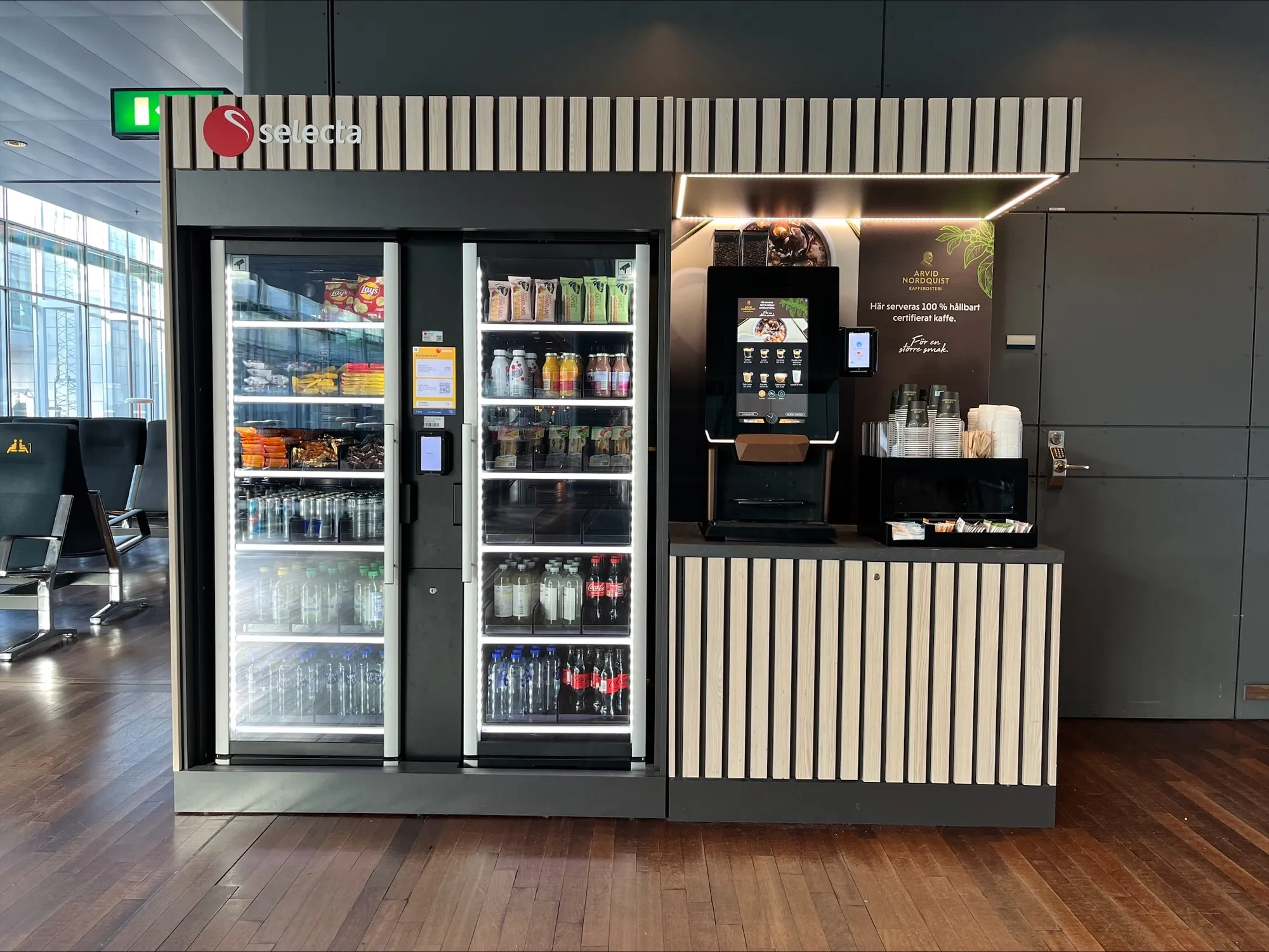 Customer proof
How a distributed operator transformed supply operations with automation
An application story about reducing manual inventory work and improving product availability across a distributed network.
Read more →Stay informed
Get the latest on inventory automation, supply chain strategy, and workplace efficiency.
Ready to automate your physical supply?
Let’s discuss your operational challenges.